Thinking about making the move to Coudersport? You’re not alone. Many buyers are drawn to the small-town feel, access to outdoor recreation, and more attainable prices compared with bigger markets. At the same time, rural logistics can feel different if you’re coming from a metro area. In this guide, you’ll learn what to expect with housing types, commuting, utilities and internet, winter realities, and how to plan an efficient first visit that sets you up for success. Let’s dive in.
Why Coudersport makes sense
Coudersport offers a classic Pennsylvania small-town experience with a strong sense of community. You’ll find older homes with character in the borough and more acreage once you head into the surrounding townships. Many people move here for elbow room, privacy, and proximity to trails, streams, and forests. If you’re seeking a quieter pace and a realistic cost of entry, it’s a compelling option.
It’s also important to set the right expectations. Inventory is often tighter than in urban areas, and turnover can be low. You may need patience to find a home that checks every box. A smart plan and on-the-ground guidance will shorten the learning curve and help you move quickly when the right place hits the market.
Housing types and the market reality
What you’ll find
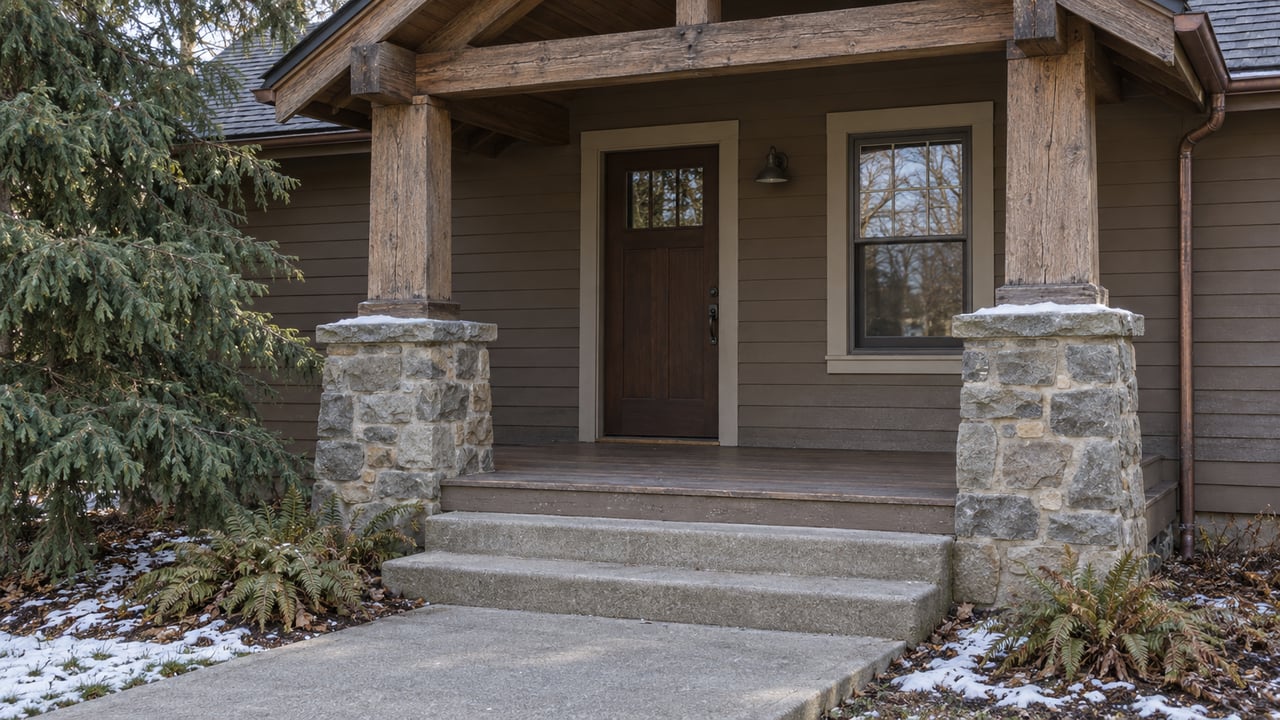
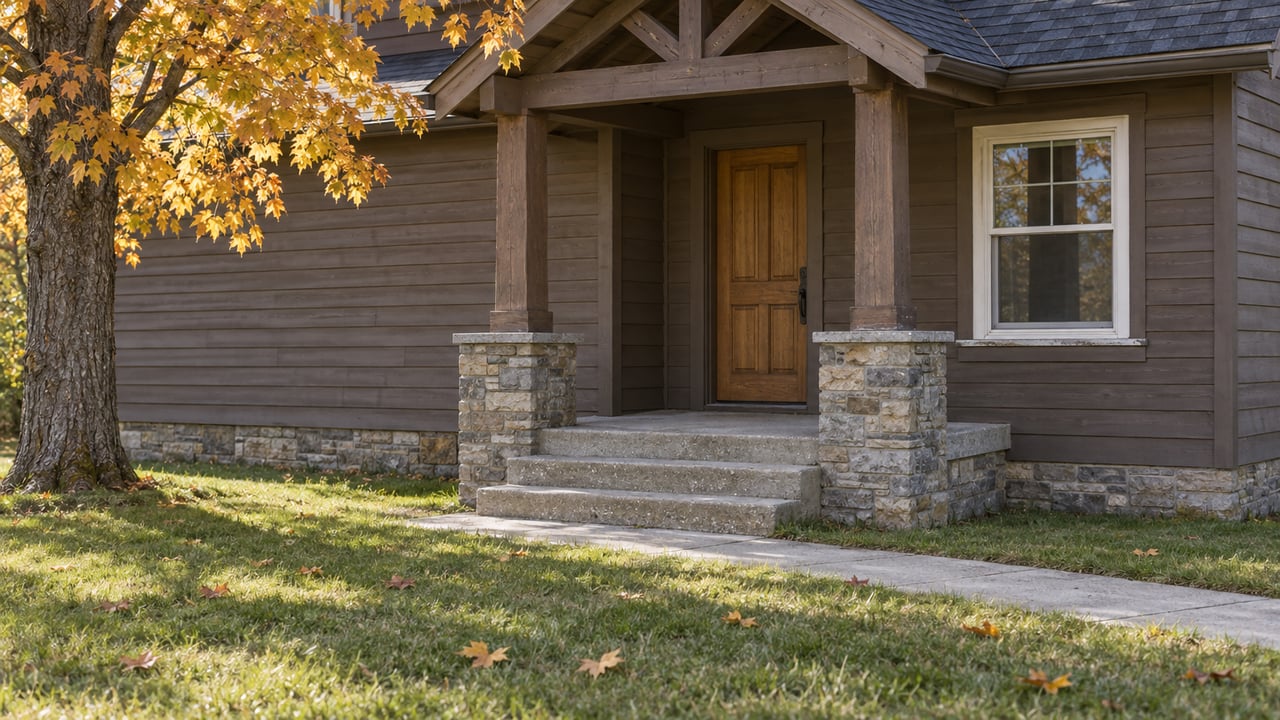
- Older single-family homes are common in the borough, including historic or Victorian-era properties and mid-century houses.
- Ranch homes, farmhouses, mobile or manufactured homes, and small-acreage or hobby-farm properties become more common outside the borough.
- New construction is limited across rural Potter County. Multi-family and condo options are also limited.
Borough services vs. rural systems
- Inside the borough core, many properties have municipal water and sewer. Always confirm for the exact parcel.
- Outside the borough, expect private wells and on-site septic systems. Plan for well testing and septic inspections as part of due diligence.
- Natural gas service is limited in much of rural northern Pennsylvania. Many properties use propane, fuel oil, wood, or electric heat. Heat-pump adoption is growing but varies property by property.
Budgeting for condition and updates
Older homes can deliver charm and value but may need updates. Plan for insulation improvements, window upgrades, electrical work, or well and septic repairs. Build an inspection and renovation budget into your plan so you stay on track if a property needs work.
Land, zoning, and use
If you’re looking for acreage or a hobby farm, you’ll find options across the county. Land use can be shaped by zoning, stream buffers, and timber protections. For parcel-specific clarity, verify details with county planning or assessment records before you commit.
Taxes and school district
Local taxes include borough and county rates, plus Coudersport Area School District taxes. Always obtain parcel-specific tax amounts from the county assessor when you shortlist a property.
Commute and transportation realities
Key roadways and driving patterns
- U.S. Route 6 is the main east-west corridor through Coudersport and connects you to nearby towns.
- Most residents commute by private vehicle. Rural commutes can take longer in miles and time than you might expect.
- PennDOT maintains state routes. County and township roads have different plowing and maintenance schedules, especially in winter.
Public transit and intercity travel
Fixed-route public transit is limited or absent in most of Potter County. Shared-ride or demand-response options may exist for specific needs. Rideshare services are inconsistent in rural areas. If you need to travel by air or long-distance bus, plan on using regional cities and confirm current schedules.
Commute planning checklist
- Drive your sample commute during the time you would normally travel.
- Confirm whether your access road is state maintained, county maintained, or private, and who plows in winter.
- Evaluate driveway slope and length. Long or steep drives may require a 4WD vehicle and contracted plowing.
- For winter travel conditions and advisories, review PennDOT 511PA travel resources before you head out.
Utilities, broadband, and property systems
Electric, heating fuel, and water/sewer basics
- Electric service is provided by investor-owned utilities or cooperatives depending on the address. Ask about outage history and typical restoration times.
- Natural gas lines are limited in rural Potter County. Expect propane, heating oil, wood, or electric heat. Verify the heating system, fuel source, and recent service records.
- In the borough, many properties have municipal water and sewer. In outlying areas, plan for well tests and septic inspections as part of your offer timeline.
If you have questions about utility providers or to review consumer guidance, check the Pennsylvania Public Utility Commission.
Internet options and how to verify
Internet availability in rural areas varies by parcel. Options can include cable or fiber in denser areas, DSL in some locations, fixed wireless where providers operate, satellite service, and cellular data that can be highly variable.
To verify service at a specific address:
- Use the FCC Broadband Map and the Pennsylvania Broadband Development Authority as a starting point.
- Contact providers directly to confirm serviceability, expected speeds, latency, and install timelines.
- When touring, run a real-time speed test on-site using your phone or a hotspot. Check indoor cellular signal in the rooms you’ll use most.
Other systems to review during due diligence
- Septic system type, age, inspection, and any reserve area.
- Well age, depth, pump condition, and water quality test results.
- Propane or fuel oil tank ownership vs. rental and annual consumption.
- Cellular signal reliability inside the home, especially if you’ll use VoIP or hotspot backup.
For well and septic regulations and inspection guidelines, consult the Pennsylvania Department of Environmental Protection or the county health department.
Winter logistics and year-round safety
Climate expectations
Northern Pennsylvania experiences cold winters with snow and ice. Elevation and lake-effect influences can bring heavy snowfall in some seasons. Plan for travel delays, strong heating needs, and the potential for power outages in rural locations. For seasonal patterns and alerts, follow the National Weather Service.
Property-specific winter checks
- Driveway and access: Steep or long drives may need 4WD, regular plowing, or traction planning. Confirm plow responsibility on private or shared roads.
- Roof and snow load: In older homes or uninsulated attics, ask about ice dams, snow guards, and roof maintenance history.
- Heating redundancy: Homes with backup heat or a generator provide peace of mind during storms and outages.
- Water lines: Verify pipe insulation and winterization practices if the home has been seasonal.
Emergency readiness
- Know your electric provider’s outage reporting process and typical restoration timelines.
- Familiarize yourself with priority plow routes and winter advisories using PennDOT 511PA travel resources.
- Line up local services early: a plow contractor, heating fuel supplier, and a reliable HVAC technician.
Plan your first visit: from discovery call to touring day
An efficient first visit can save weeks of back-and-forth and help you compete when the right home appears.
Step 1: Discovery call
We start by aligning on your priorities and logistics so every minute on the ground counts. Before we meet, be ready to share:
- Budget range and pre-approval status.
- Must-haves vs. nice-to-haves: bedrooms, acreage, heat type, and whether municipal services are required.
- Work locations and schedule for realistic commute tests.
- Whether internet performance is mission critical for remote work.
- Any mobility or access needs such as driveway grade or stairs.
We’ll prepare a curated short list of 3 to 6 homes plus 1 or 2 “stretch” options, map drive times to your key destinations, and organize meeting points, parking, and printed checklists.
Step 2: Touring day game plan
Morning
- Meet in Coudersport for a quick orientation to essentials like grocery, pharmacy, banking, and healthcare.
- Tour 3 to 4 properties while energy and daylight are best. Allow 30 to 45 minutes inside each home plus drive time.
Midday
- Grab lunch and walk through town to gauge walkability and everyday errands.
- On-site checks: test cell signal, run a speed test if Wi-Fi is available, and review driveway access and surrounding road conditions.
Afternoon
- Drive a sample commute to your workplace or key destinations to confirm real-world drive times.
- Stop by utility offices or the borough hall if you have questions on water, sewer, trash pickup, or snow removal responsibility.
- If your timeline is tight, we can schedule a meeting with a local mortgage lender or closing attorney.
Evening
- Debrief to confirm your shortlist, next steps, and any follow-up visits you want in a different season.
What to bring
- Photo ID and your pre-approval letter.
- A list of questions about utilities, taxes, repairs, and neighborhood norms.
- A simple inspection checklist for roof, foundation, driveway, heating system, and well/septic.
- A portable hotspot and phone charger for internet and signal tests.
- Seasonal footwear for mud, snow, or long walks.
After your visit
- Request seller disclosures and 12 months of utility bills for any home you’re serious about.
- Order septic inspection and well testing as appropriate.
- Book a local inspector familiar with rural systems and cold-climate issues.
- If remote work is essential, confirm broadband in writing with your provider and line up a backup option such as fixed wireless or satellite.
Work with a local team that knows the terrain
Relocating to a rural market is easier when you have a local advocate who anticipates the details. From mapping realistic commute options to verifying utilities and winter maintenance, our team helps you evaluate each property with clarity. We coordinate concentrated touring days for out-of-area buyers and keep your transaction moving even when you’re not in town.
If you’re ready to explore Coudersport with a plan that fits your life, reach out to Mountain Valley Realty, Inc.. Call Now — Talk to a Local Agent.
FAQs
What types of homes are most common in Coudersport?
- You’ll mostly see older single-family homes in the borough and ranches, farmhouses, and mobile or manufactured homes in surrounding townships. New construction and multi-family options are limited.
How can I confirm internet speeds for remote work at a specific address?
- Start with the FCC Broadband Map and the Pennsylvania Broadband Development Authority, then ask providers to confirm serviceability and run live speed tests during your tour.
Is natural gas widely available in Potter County?
- Natural gas distribution is limited in many rural areas. Expect propane, fuel oil, wood, or electric heat at many properties and verify the fuel source for each home.
Who maintains roads and plows during winter near Coudersport?
- PennDOT maintains state routes, while county or local authorities handle other roads. Confirm whether your access road is state, county, or private, and check PennDOT 511PA for advisories.
What inspections should I plan for when buying outside the borough?
- Plan for septic inspection, well testing, and a full home inspection. Confirm heating system service records and utility details, including tank ownership if propane or fuel oil is used.
How should I prepare for winter if I move from a warmer climate?
- Budget for snow removal, consider a 4WD vehicle for steep or long driveways, verify roof and insulation needs, and consider backup heat or a generator. Follow the National Weather Service for seasonal updates.