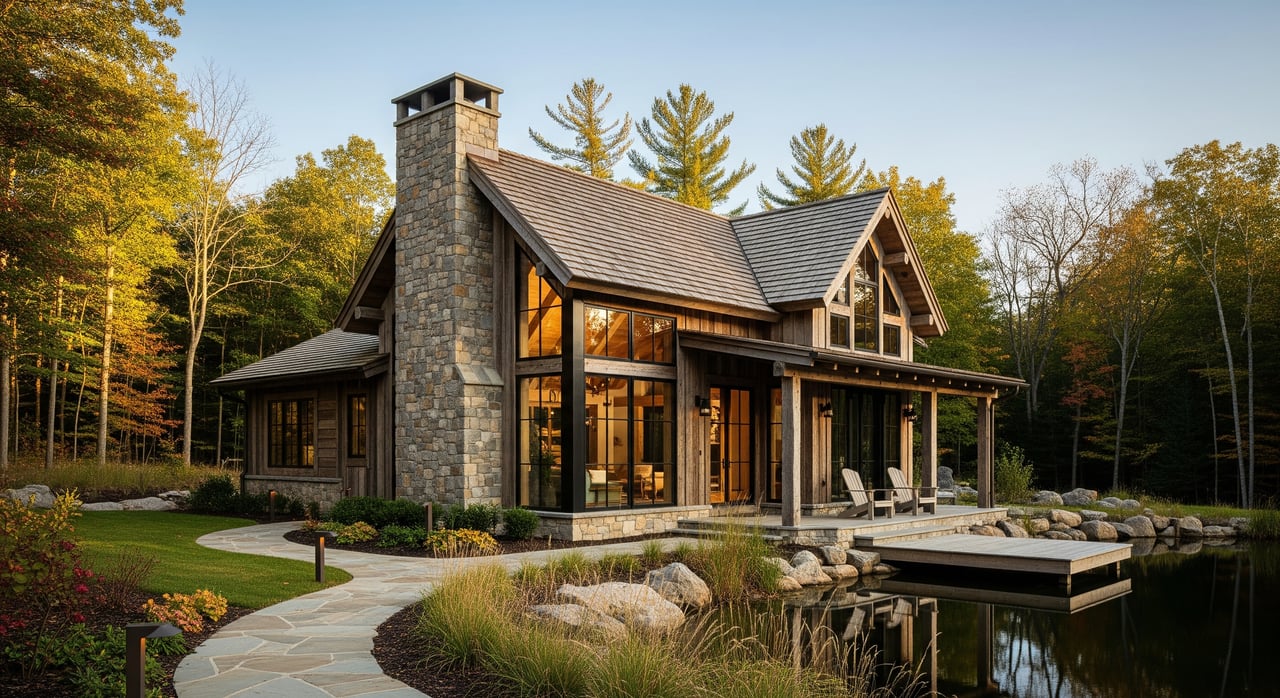
Dreaming about a quiet cabin near Smethport where you can unplug for the weekend, but not sure how financing works for a “camp” or seasonal place? You’re not alone. Rural and vacation properties follow different rules than primary homes, and the details can affect your loan, rate, and even your offer strategy. In this guide, you’ll learn the loan types that fit most cabins, what lenders look for in McKean County, and how to prepare a strong file before you tour. Let’s dive in.
Second home vs. investment: why use matters
How you plan to use the property drives everything from loan type to rate.
- Second home means you intend to occupy the property for part of the year and it is suitable for year-round living. It is not primarily an income-producing property.
- Investment property includes homes you operate as rentals, including many short-term rentals. These usually require larger down payments and carry higher rates.
- Primary residence financing applies only if you will live there full time. Many government-backed loans are limited to this use.
Being clear about your intended use upfront helps the lender place the file in the right bucket and avoid delays.
Loan options for Smethport cabins
Conventional loans
Conventional financing is the most common path for second homes and vacation cabins. Lenders follow agency guidelines to confirm that you intend to occupy the cabin part of the year, it is suitable for year-round use, and it is not primarily a rental business. Compared with primary homes, second-home loans often require larger down payments and may carry a modest rate premium and reserve requirements.
FHA, VA, and USDA
These programs are generally for primary residences. FHA and VA loans require you to occupy the home as your primary residence. USDA Rural Development loans are also for primary residences in eligible rural areas. If you plan to use the property as a weekend retreat, these options are usually not available.
Portfolio and local lenders
Local banks and credit unions sometimes offer portfolio products for seasonal or unique cabins that do not fit standard guidelines. Underwriting can be more flexible, but you may see larger down payment needs and higher reserves. If the cabin is unconventional, this can be a practical route.
Seller financing or land contracts
For very remote or nonstandard cabins, seller financing is sometimes used when lenders decline. These arrangements carry different risks and terms. Get clear on legal and tax implications before you proceed.
Down payment, rates, and reserves
- Second homes often require 10 to 20 percent down. Strong borrowers may find programs with lower minimums, but that varies by lender.
- Investment properties commonly start around 15 to 25 percent down or more.
- Rates for second homes and investment properties are typically higher than for primary residences, with investment loans carrying the larger premium.
- Many lenders want at least 6 months of mortgage reserves for second homes and can ask for more with investment properties. Exact amounts vary by lender and product.
Larger down payments and stronger reserves can open more options, especially for rural or seasonal cabins.
Property features lenders review
Year-round access and utilities
Lenders want to see that the property is marketable and accessible in all seasons. Important items include:
- Legal, reliable road access that is maintained in winter. Private roads often require a recorded road maintenance agreement or proof of an association handling upkeep.
- Electricity, potable water, and an approved sewage system. Expect requests for well and septic documentation. Off-grid systems can be challenging to finance.
- A permanent foundation and construction suitable for year-round use. Seasonal-only structures can limit financing choices.
Appraisal and comparable sales in rural areas
Appraisers must find comparable sales, which can be harder in a low-volume rural market. This can affect appraised value or increase appraisal complexity. Features like seasonal roads, lack of utilities, or major deferred maintenance can reduce marketability and impact value.
Title, easements, and mineral rights
Clear title is essential. In McKean County, common rural issues include access easements across neighboring parcels, shared driveways without recorded maintenance agreements, and existing oil and gas leases or separated mineral rights. These items can affect use, value, and insurability and may raise lender questions.
Insurance availability and cost
You will need hazard insurance, and flood insurance if the property falls within a mapped flood zone. Cabins can have higher premiums due to seasonal use, older construction, distance from fire services, or detached outbuildings. Some carriers restrict short-term rentals and remote off-grid risks. Early quotes from a local independent agent can save time.
Seasonal and off-grid cabins: what to expect
If the cabin lacks year-round access, permanent utilities, or a standard foundation, many conventional lenders will not finance it under second-home rules. Portfolio lenders may consider it with stronger credit, larger down payment, and higher reserves. In some cases, specialty insurance or surplus lines coverage is required. Be ready to explore alternatives, including seller financing, if the property is very unconventional.
How to prepare before you tour
Personal documentation checklist
- Photo ID and Social Security number
- Two most recent pay stubs and two years of W-2s; self-employed borrowers should gather federal tax returns per lender rules
- Recent bank statements for assets and reserves
- Credit report and explanations for any derogatory items
Property documentation to request early
- Road maintenance agreements or HOA documents if the access is private
- Proof of utilities and services, including electric, septic permits or inspection reports, and well test results if available
- Evidence of winter access and plowing arrangements
- Manufactured home details if applicable, including HUD certification and foundation documentation
- Preliminary insurance quotes, plus flood insurance if required
Financial prep to strengthen approval
- Save for a larger down payment to expand loan options and improve pricing
- Build reserves, aiming for at least 6 months of payments for a second home in a rural setting
- Improve your credit profile and reduce other debts to support a better rate and easier approval
- Set aside an emergency fund for seasonal and remote upkeep
Lending strategy
- Get prequalified with more than one lender, including a local community bank or credit union familiar with cabins and seasonal roads
- If short-term rental is part of your plan, disclose it early. Many lenders will classify the property as an investment and underwrite accordingly
- Ask direct questions about second-home, seasonal, and off-grid policies so you know where each lender stands
Smethport and McKean County factors
Winter access and maintenance
Northern Pennsylvania winters can be a real test. Lenders and appraisers look for reliable, year-round road access. If the road is private, a recorded maintenance agreement is often required. Clarify who plows and how costs are shared.
Wells, septic, and utilities
Many local cabins use private wells and septic systems. Expect lenders to ask for a recent septic inspection, percolation test, and well performance documentation. Off-grid or partial utility setups will face extra scrutiny.
Floodplains and environmental overlays
Stream valleys and low-lying areas can fall within FEMA flood zones. If the property is mapped in a flood zone, flood insurance is mandatory. Wetlands or conservation easements can limit use and affect value.
Market liquidity and comparable sales
Rural markets often have lower sales volume than urban areas. That can limit similar comparables for appraisers and may impact the valuation timeline and outcome. Pricing your offer with appraisal in mind is a smart move.
Mineral rights and energy history
Pennsylvania has a long history of oil and gas activity, and McKean County is no exception. Mineral rights or leases can be present. Title review should confirm whether rights are intact, leased, or severed, since that can influence lender acceptance and value.
Planning to rent your cabin
If short-term rental income is central to your plan, most lenders will view the property as an investment. That means higher down payment requirements and likely a higher rate. Some lenders place limits on short-term rentals with second-home loans. Share your plan early so you are matched with the right product.
A simple path to a smooth closing
- Clarify use: second home or investment
- Get prequalified with a lender that understands rural cabins
- Gather personal and property documents before you tour
- Line up insurance quotes early and check for flood requirements
- Work with local pros who know Smethport roads, wells, and title norms
Ready to take the next step toward your Northern Pennsylvania retreat? Connect with a local team that understands cabins, acreage, and rural logistics. Reach out to Mountain Valley Realty, Inc. to talk through your goals and get a game plan that fits your budget and timeline.
FAQs
Can I get a mortgage for a weekend cabin near Smethport?
- Yes. Conventional second-home financing is common if the cabin is suitable for year-round occupancy and not operated as a rental business. Government-backed loans are typically for primary residences.
How much down payment do I need for a McKean County second home?
- Many lenders expect 10 to 20 percent down for second homes. Investment properties often start around 15 to 25 percent down or more. Exact requirements vary by lender and your profile.
Will my mortgage rate be higher for a cabin than my primary home?
- Often yes. Second-home loans commonly carry a modest premium compared with primary residence loans. Investment-property loans usually carry an even higher premium.
Can I use Airbnb for my Smethport cabin and still get a second-home loan?
- If short-term rentals are a primary use, most lenders treat the property as an investment and underwrite accordingly. Some lenders restrict short-term rentals on second-home loans.
What issues most often derail cabin financing in McKean County?
- Lack of legal access or a recorded road maintenance agreement, missing utilities or off-grid setups without documentation, seasonal-only construction, title complications like unaddressed easements or mineral leases, and difficulty obtaining insurance.
What should I do before making an offer on a cabin around Smethport?
- Get prequalified with lenders who know rural and seasonal properties, gather financial documents and reserves, request road, well, and septic records, and obtain an insurance quote early to flag any coverage hurdles.