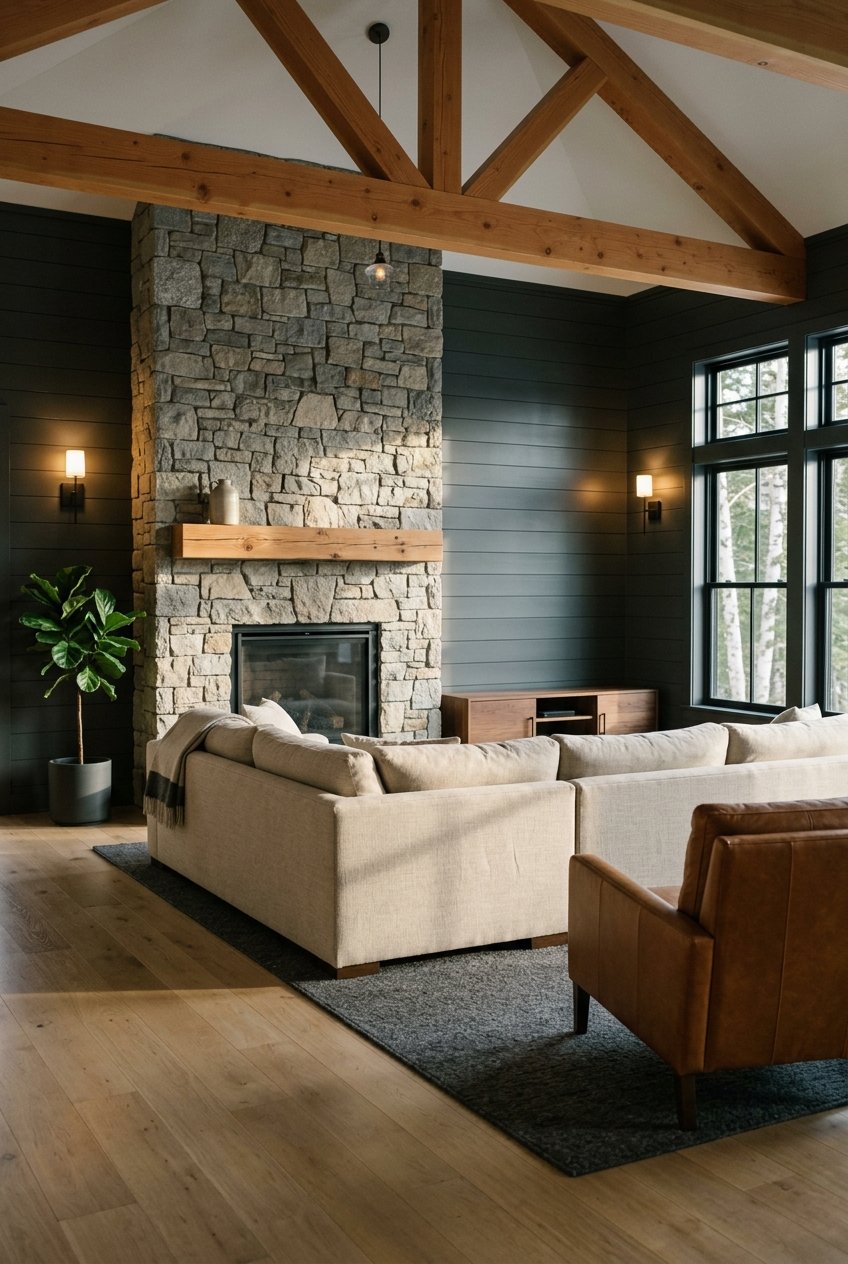
Wondering whether you should renovate before selling your Shinglehouse home? It is a smart question, especially in a small market where every dollar counts. If you want to sell without wasting time or money, the goal is usually not a full makeover. It is making the right improvements for this local market so your home shows well, avoids avoidable red flags, and is priced with confidence. Let’s dive in.
What Shinglehouse sellers should know
Shinglehouse is a small housing market, and that matters when you decide how much to spend before listing. Local data shows a modest housing stock, a high share of owner-occupied homes, and many homes valued under $100,000. In a market like that, buyers tend to focus on condition, usability, and price more than expensive custom finishes.
That local price picture supports a practical approach. Shinglehouse has a reported median listing price of $129,900, with a median 152 days on market and only 10 active listings. In a thin market, over-improving a home can make it harder, not easier, to recover your costs.
Renovate or refresh before selling?
For most Shinglehouse sellers, a refresh makes more sense than a major renovation. Low-cost improvements often help your home look cleaner, better cared for, and easier for buyers to say yes to. A large remodel, on the other hand, may push your spending past what local pricing can support.
That does not mean you should ignore problems. It means you should be selective. The best pre-sale work usually falls into two buckets: repairs that reduce inspection or financing risk, and cosmetic updates that improve first impressions.
Repairs that matter most before listing
In Pennsylvania, sellers must provide a signed property disclosure statement before the agreement of transfer is signed. That disclosure covers important items like the roof, basement or crawl space, plumbing, heating and air conditioning, electrical systems, structural issues, water and sewage, and past additions or remodeling. You do not have to perform a special investigation, but you cannot knowingly give false or misleading information or leave out a known material defect.
That is why safety, habitability, and known-condition issues deserve your attention first. If something is leaking, unsafe, damaged, or likely to show up during a buyer inspection, it is usually worth addressing before you list or clearly pricing around it. Even if you plan to sell as-is, your disclosure duties still apply to known material defects.
Prioritize these items first
- Roof leaks or roof conditions near failure
- Water intrusion in basements or crawl spaces
- Electrical problems
- Plumbing leaks or nonworking fixtures
- Heating system issues
- Structural concerns
- Damage from termites or similar wood-destroying issues
- Problems tied to water, sewage, or other core systems
If your home was built before 1978, lead-based paint rules may also apply. Sellers of most pre-1978 homes must provide any known information about lead-based paint hazards before sale, and buyers must be given a 10-day opportunity for lead testing.
Best updates for seller return
If you have a limited budget, focus on improvements that help your home look well maintained and move-in ready. National seller guidance shows that painting and roofing are among the most commonly recommended pre-listing projects. The same reporting also found strong cost recovery for a new steel front door.
Regional data for the Middle Atlantic area also points to a few high-payback updates. Garage door replacement, steel entry door replacement, manufactured stone veneer, and a minor kitchen remodel all performed well for resale value. For many Shinglehouse homes, that suggests a simple lesson: small, visible upgrades often beat expensive full-scale renovations.
Smart pre-sale updates to consider
- Fresh paint in the whole home or in key rooms
- Deep cleaning
- Decluttering
- Small carpentry fixes
- Front door replacement or repainting
- Garage door replacement if needed
- Minor kitchen touch-ups
- Basic exterior cleanup
- Simple curb appeal work
These projects can help your home photograph better, show better in person, and feel more cared for. That matters in any market, but especially in a smaller one where buyers may compare a limited number of homes closely.
When a kitchen update makes sense
A full kitchen remodel is usually not the first move in Shinglehouse. Regional data shows a minor kitchen remodel can perform well, but that is very different from a full upscale renovation. In a lower-priced market, a freshened kitchen often makes more financial sense than tearing everything out.
A practical kitchen refresh might include paint, updated hardware, repaired cabinets, improved lighting, or replacing a worn countertop if it is clearly hurting the home’s appeal. The goal is to improve function and appearance without overspending.
Renovations that often do not pay off
Some projects are easier to skip unless there is a clear reason to do them. Large additions are the clearest example. In a borough where many owner-occupied homes are valued below $100,000, a major addition can cost far more than the local resale ceiling will support.
High-end finishes can also be hard to justify. Luxury materials, custom features, and trendy upgrades may not bring enough added value in a market where buyers are often more sensitive to price and condition.
Projects to approach carefully
- Primary suite additions
- Large room additions
- Upscale bath remodels
- Full luxury kitchen overhauls
- Premium finishes with little functional benefit
- Cosmetic projects that do not help photos, inspections, or daily use
Regional data supports that caution. Midrange bath remodels recouped less than some smaller updates, and primary suite additions showed especially weak cost recovery.
Should you replace the roof?
A roof replacement can be worth it, but not always. Roofing is one of the larger-ticket items that often gets recommended before selling, yet it works best as risk management rather than a guaranteed profit center. If the roof is leaking, near the end of its life, or likely to cause inspection or financing issues, replacement may help protect the sale.
If the roof is older but still functional, your better option may be to price the home accordingly and be transparent in your disclosure. The right choice depends on condition, expected buyer reaction, and how the home fits within the local price range.
What to do if you are short on time
If your timeline is tight, keep it simple. The strongest evidence supports fast visual improvements and necessary repairs over long, disruptive projects. You do not need a months-long remodel to make your home more marketable.
Start with the basics:
- Fix anything that creates a safety, system, or water issue.
- Clean thoroughly.
- Paint where the home looks tired or dated.
- Improve the front entry and curb appeal.
- Refresh the kitchen only if it needs a light update.
- Price the home based on condition and local comparable sales.
This approach helps you spend where it counts most and avoid delays that may not add enough value.
How to decide what your home needs
The right answer depends on your home’s condition, your budget, and your price goal. A home with solid systems but dated paint may need only a light refresh. A home with roof leaks, water problems, or electrical concerns may need more serious pre-listing work.
In Shinglehouse, the smartest plan is usually to match your spending to the local market rather than to your dream version of the home. Buyers here are often looking for homes that feel clean, functional, and fairly priced. That creates a strong case for targeted improvements instead of major renovations.
A local, hands-on agent can help you sort repairs into three categories:
- Must fix before listing
- Nice to improve if budget allows
- Better to leave alone and reflect in price
That kind of practical guidance can save you money and help you avoid over-improving for the neighborhood or buyer pool.
If you are thinking about selling in Shinglehouse, Mountain Valley Realty, Inc. can help you decide which updates are worth doing and which ones are better handled through pricing and strategy. Reach out to Mountain Valley Realty, Inc. for local, straightforward advice tailored to your property.
FAQs
Should you renovate before selling a home in Shinglehouse, PA?
- Usually, a light refresh is the better choice. In Shinglehouse, selective repairs and low-cost cosmetic updates often make more sense than a major renovation.
What repairs matter most before selling a house in Pennsylvania?
- Repairs tied to known defects, safety, habitability, water intrusion, roof issues, structural concerns, and major systems usually matter most because they can affect disclosures, inspections, and financing.
Is a full kitchen remodel worth it before selling in Shinglehouse?
- Usually not. A minor kitchen refresh is often a better fit for the local market than a full upscale remodel.
Should you replace the roof before listing a Shinglehouse home?
- Replace the roof if it is leaking, near failure, or likely to create inspection or financing problems. Otherwise, it may be better to disclose its condition and price the home accordingly.
Can you sell a Shinglehouse home as-is in Pennsylvania?
- Yes, but selling as-is does not remove your duty to disclose known material defects under Pennsylvania law.
What are the best low-cost updates before selling a Shinglehouse house?
- Fresh paint, deep cleaning, decluttering, small repairs, front-door improvements, curb appeal work, and minor kitchen touch-ups are often the most practical updates.