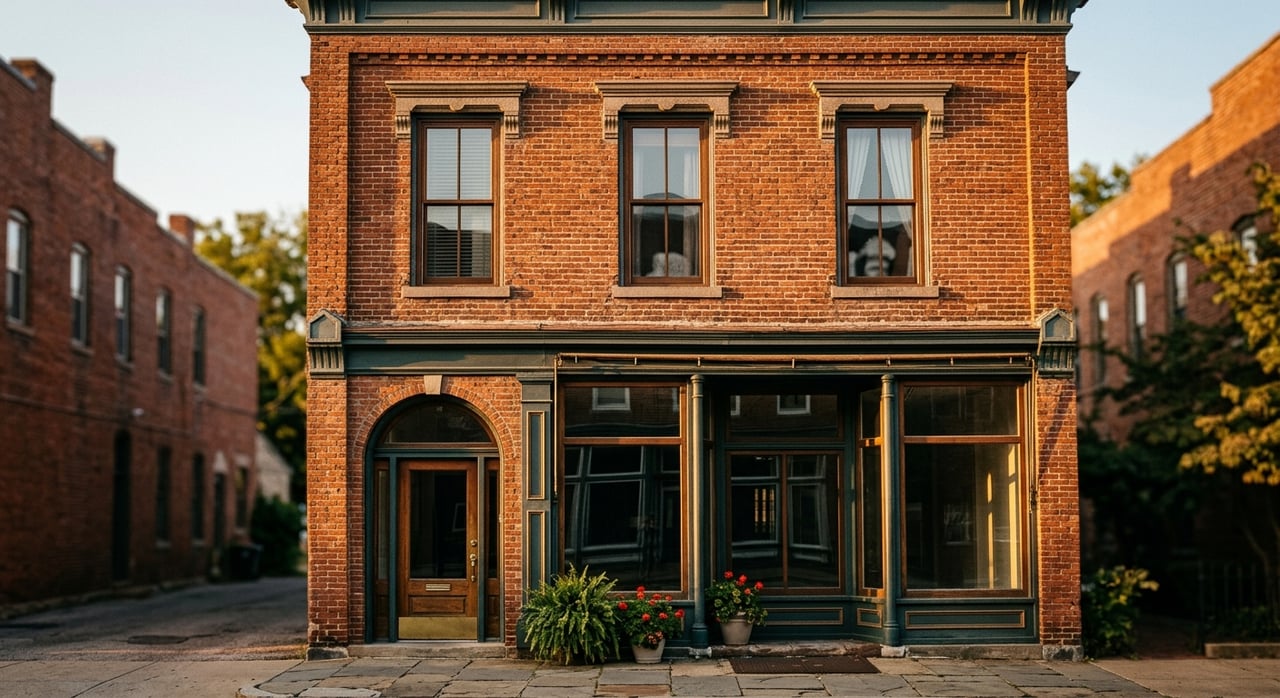
If you are thinking about buying a storefront or mixed-use property in Port Allegany, the opportunity can be exciting and a little complex at the same time. You may be looking for a place to run your business, create rental income upstairs, or invest in a main-street building with long-term potential. The key is understanding how Port Allegany’s small-town setting, zoning rules, and renovation requirements can shape what you can do with a property before you buy. Let’s dive in.
Why Port Allegany Appeals
Port Allegany is a small borough in McKean County with a downtown presence along Route 6 and a setting tied closely to the Pennsylvania Wilds. According to Census Reporter’s ACS profile for Port Allegany, the borough has an estimated population of 2,356, 870 households, a median age of 33.1, and a median household income of $65,595.
That local context matters when you are evaluating a commercial or mixed-use purchase. The borough is described by regional tourism information for Port Allegany as a Route 6 town with a town square, summer concerts, restaurants, hotels, and other visitor-oriented amenities. The same source also notes that the community includes numerous stores, shops, restaurants, and professional offices.
For a buyer, that can point to a practical small-town main-street environment rather than a large urban commercial market. Your success may depend less on volume alone and more on picking the right location, use, and building layout for local demand.
Understand Port Allegany Zoning
Before you get attached to a building, check the zoning district and confirm that your intended use fits. Port Allegany’s zoning ordinance is clear that one of its goals is to preserve the borough’s small-town atmosphere and discourage the spread of commercial and industrial uses, as explained in the borough zoning code.
That means zoning is not just a technical step. It directly affects whether a storefront concept, office use, restaurant plan, or mixed-use conversion is likely to move smoothly or face added review.
Central Commercial District
The Central Commercial, or CC, district is often the first place buyers look for classic storefront and downtown mixed-use properties. Under the CC permitted use table, this district allows a broad range of uses, including retail business, personal services, professional services, offices, banks, government buildings, restaurants, theaters, motels or hotels, and second-floor residential.
If you want a first-floor business with residential space above, the CC district may be a strong fit. Still, you should verify the exact use, parking expectations, and any building-specific limitations before closing.
Highway Commercial District
Port Allegany also has a Highway or Large Lot Commercial district, called HC. The district descriptions in the zoning ordinance explain that HC is similar to CC but includes larger lot and setback requirements.
For some buyers, that may better suit uses needing more site area, access, or parking. If your plan relies on a traditional walkable downtown feel, though, a CC property may align more closely with that goal.
Residential Limited Business District
Some buyers are surprised to learn that mixed-use potential is not limited to the downtown core. In the Residential Limited Business, or RLB, district, the permitted use table allows smaller retail operations that are intended to remain compatible with residential uses.
Permitted uses in RLB include retail sales and businesses, food and grocery stores, personal and professional offices, medical and dental clinics, personal services, and several residential types. If you are considering a small shop, office, or service-based use with housing on-site, this district may be worth a closer look.
What Mixed-Use Buyers Need to Know
Mixed-use buildings can offer flexibility, but they also come with extra details. If you plan to combine commercial and residential uses, you should confirm not only that the use is allowed, but also how the borough handles unit size, placement, and parking.
In the CC district, second-floor residential standards require the residential use to be at least a full floor above the first-floor street level. Each dwelling unit must contain at least 400 square feet, and the unit must meet Pennsylvania Department of Labor and Industry and borough requirements before a permit is issued.
This is important if you are eyeing an older building and assuming you can quickly add an apartment above a business. The layout, code compliance, and permit path all need to be part of your due diligence.
Parking Can Change the Numbers
Parking is one of the biggest practical questions in a mixed-use purchase. Under Table 10 of the zoning ordinance, mixed-use projects require parking equal to 75% of the sum of the separately calculated uses.
That said, there is some flexibility in the CC district. Borough Council may waive parking requirements if public parking is available, and off-site parking can be allowed within 300 feet if the Zoning Officer finds on-site parking impractical.
For buyers, that can be helpful in a traditional downtown setting where lot sizes may be tight. It also means parking should be reviewed early, since it can affect renovation budgets, tenant planning, and the long-term usability of the property.
Renovation Rules Matter Early
Storefront and mixed-use buildings often need updates, whether that means interior remodeling, façade work, reconfiguring upper floors, or changing the use. Port Allegany’s zoning code states that it is unlawful to place, enlarge, reconstruct, structurally alter, or change the use of a building or land without first filing with the Zoning Officer and getting the required building permit, according to the borough permit and occupancy section.
The same section explains that a certificate of use and occupancy is required before a permitted building or land can be used or occupied. In other words, even if the purchase itself goes smoothly, your opening timeline may still depend on approvals and inspections.
Permit Timing and Application Details
Permit applications need more than a simple description of your project. The borough requires a plot plan diagram that shows building and lot dimensions, abutting streets, proposed uses, a north arrow, and scale, as outlined in the permit requirements.
Timing matters too. Work must begin within 180 days after permit issuance and be substantially complete within one year, or the permit expires.
If you are buying a property with a renovation plan, this is a good reminder to match your financing, contractors, and project schedule to the borough’s timeline. A realistic plan is often better than an aggressive one.
Signage Can Affect Storefront Design
If your purchase includes a downtown storefront, sign rules may shape your exterior plans. In the CC district, the sign regulations state that signs must be placed below the sills of second-story windows, except for signs painted on second-story windows.
That may sound minor, but it can affect branding, awning placement, and façade renovation decisions. If curb appeal is part of your business strategy, it is smart to review sign rules before finalizing design work.
Conditional Uses and Adaptive Reuse
Not every idea fits neatly into a by-right use. If your project involves adaptive reuse, a heavier renovation, or a use that needs additional approval, the review process may include a closer look at neighborhood impact.
The district regulations say that conditional uses and special exceptions can be approved only after considering neighborhood impact, and preservation of existing development is given priority. For buyers, that means creative ideas may still be possible, but they should be evaluated carefully and discussed early with the right local contacts.
Smart Due Diligence Before You Buy
A commercial or mixed-use purchase usually involves more moving parts than a typical residential transaction. Along with property condition and price, you should verify zoning, parking, permitted use, permit history, and whether your business or tenant plan aligns with local rules.
The U.S. Small Business Administration’s business location guidance recommends making sure a property conforms to local zoning requirements and consulting a knowledgeable real estate lawyer before buying. SBA guidance also notes that leasing decisions often turn on lease terms, landlord expectations, and tenant-improvement discussions.
If you are buying for investment, tax treatment may matter too. The IRS guidance on business property depreciation explains that buildings used in a trade or business or to produce income may be depreciated, while land is never depreciable. It also notes that rent is usually deductible for business use when the arrangement is a true lease rather than a conditional sales contract.
Helpful Local Resources
Port Allegany’s helpful links page points buyers to the borough code, the Port Allegany zoning and parcel app, and county contacts for planning, tax assessment, and economic development. Those tools can help you confirm details before you commit.
For many buyers, the best approach is simple: verify first, plan second, and renovate third. That order can save time, money, and frustration.
A Practical Buying Checklist
Before you move forward on a storefront or mixed-use property in Port Allegany, make sure you can answer these questions:
- What zoning district is the property in?
- Is your planned commercial use permitted there?
- If residential space is involved, does it meet district-specific standards?
- How will parking be handled on-site, off-site, or through public parking?
- Will you need permits for renovation, structural work, signage, or a change of use?
- Does the building need a certificate of use and occupancy before opening or leasing?
- If the property is tenant-occupied, what do the current lease terms say?
- Have you reviewed tax, legal, and improvement costs with the right professionals?
Buying the right property in a small borough often comes down to details, not just curb appeal. When you understand the rules and match them to your goals, you put yourself in a much stronger position to buy with confidence.
If you are exploring storefront or mixed-use opportunities in Port Allegany, working with a local brokerage that understands Northern Tier commercial and main-street properties can make the process easier. The team at Mountain Valley Realty, Inc. offers practical guidance, responsive service, and local market knowledge to help you evaluate your options and take the next step.
FAQs
What zoning district is best for a storefront in Port Allegany?
- For many traditional downtown storefront uses, the Central Commercial district is a common fit because it allows a wide range of commercial uses, including retail, offices, restaurants, and some second-floor residential uses.
Can you add an apartment above a storefront in Port Allegany?
- In the Central Commercial district, second-floor residential is allowed, but the residential use must be at least a full floor above first-floor street level, each unit must be at least 400 square feet, and the space must meet applicable state and borough requirements before permits are issued.
How does parking work for mixed-use property in Port Allegany?
- Mixed-use parking is set at 75% of the sum of the separately calculated uses, and in the Central Commercial district there may be flexibility if public parking is available or if approved off-site parking is located within 300 feet.
Do you need a permit to renovate a commercial building in Port Allegany?
- Yes. The borough requires filing with the Zoning Officer and obtaining the required building permit before placing, enlarging, reconstructing, structurally altering, or changing the use of a building or land.
What should you review before buying a mixed-use property in Port Allegany?
- You should review zoning, permitted uses, parking, permit needs, occupancy requirements, building layout, lease terms if tenants are involved, and local contacts for planning, tax assessment, and economic development.