If you are selling a camp or acreage property in Cross Fork, you are not just selling a building or a set number of acres. You are selling access, land use, and the kind of outdoor experience buyers come here to find. That can feel like a lot to organize, especially if your property has rural utilities, private access, or years of paperwork tucked away. The good news is that a well-prepared listing can answer buyers’ biggest questions early and help your property stand out. Let’s dive in.
Why Cross Fork buyers shop differently
Cross Fork sits in a recreation-focused part of Potter County, and that shapes what buyers care about most. Ole Bull State Park is in Cross Fork, the area is known for trout fishing on Kettle Creek and Cross Fork Creek, and Susquehannock State Forest covers 265,000 acres across Potter, Clinton, and McKean counties.
Because of that setting, many buyers look at a camp or acreage parcel through a different lens than they would use for a typical in-town home. They want to know how the land lays, how easy it is to reach, what systems are in place, and what the property is suited for once they own it.
Start with your documents
In Cross Fork, strong marketing starts before photos or pricing. A rural listing is often strongest when it includes a clear package of facts and records that helps buyers understand the property quickly.
At a minimum, gather your deed, tax map ID, survey if you have one, and any recorded easements, rights-of-way, leases, or mortgages. Potter County GIS provides parcel and ownership data, and the Recorder of Deeds offers property record access and a free record alert system tied to a name or tax parcel ID.
If you have old maps, driveway agreements, or notes about boundary lines, pull those together too. Even if a document does not answer every question, it can help your agent present the property more clearly and reduce delays later.
Know what disclosure applies
One of the most important differences in this type of sale is whether the property includes a dwelling unit. Pennsylvania’s seller disclosure law applies to residential transfers of one to four dwelling units and requires disclosure of known material defects.
That disclosure asks about topics such as water and sewage systems, drainage or boundary issues, and title matters. If you are selling a camp with a cabin or another dwelling unit, you should expect this process to be part of your preparation.
Unimproved real property is treated differently under that same law. If you are selling raw acreage with no dwelling unit, the disclosure burden is not the same as it is for an improved residential property.
If something is unknown, Pennsylvania law allows sellers to use the best information available. What you cannot do is leave out known material defects or make statements that would mislead a buyer.
Confirm water and sewage details
For many camp and acreage buyers, utility questions come early. If your property uses on-lot sewage, it helps to confirm what permits, records, or maintenance history may exist before the listing goes live.
The Pennsylvania Department of Environmental Protection says on-lot sewage systems are administered locally by municipalities or joint local agencies. For Cross Fork-area properties in Stewardson Township, the county municipal page lists a Sewage Enforcement Officer, making that office the right place to check permits and local sewage records.
You should also gather any available information about the water source and service. Since Pennsylvania’s disclosure form specifically asks about water and sewage systems or service, having those details ready can save time once buyers start asking questions.
Clarify access before buyers ask
Access is one of the first things serious buyers will study. They want to know how they reach the property, whether access is direct or shared, and who is responsible for the road or driveway.
If your driveway connects to a state highway, PennDOT requires a Highway Occupancy Permit before constructing or altering that driveway. If access is by a private lane or shared road, gather any road maintenance agreement, deed restriction, or related document that explains use and upkeep.
Potter County planning materials also focus on access from the closest public road. When roads remain owner-maintained, the county may expect a road maintenance plan or agreement where relevant.
This is one area where missing paperwork can create buyer hesitation. When access is clearly documented, your listing feels more complete and easier to trust.
If you are splitting acreage
Some sellers are not offering the whole tract as-is. If you are dividing off acreage, there is even more value in getting your paperwork lined up early.
Potter County planning’s land development application asks for the tax map number, access from the closest public road, water and sewage details, and whether on-lot sewage permits or a non-building waiver apply. The county’s subdivision and land development requirements also look at easements, rights-of-way, and road maintenance details when they matter to the property.
That does not mean every split is complicated. It does mean you should be ready for buyers to ask not just what the parcel is, but how it was created and what supports future use.
Market the use, not just the size
A Cross Fork listing usually performs better when it explains what the property is good for. Buyers in this area are often looking for a weekend camp, hunting base, private retreat, or long-term acreage hold, and your presentation should help them picture that use.
Square footage and acreage still matter, of course. But in a recreation-heavy market, buyers also care about trail access, creek context, privacy, turnaround space, and the way the parcel sits in the woods.
That is why the story of the property matters. A simple, factual description of how the land works can be more persuasive than a long list of generic features.
Use photos that answer real questions
Seasonal photography can make a major difference with camp and acreage listings. Buyers need to understand the property in both leaf-on and leaf-off conditions, especially when woods, slopes, views, or internal trails affect how the land feels and functions.
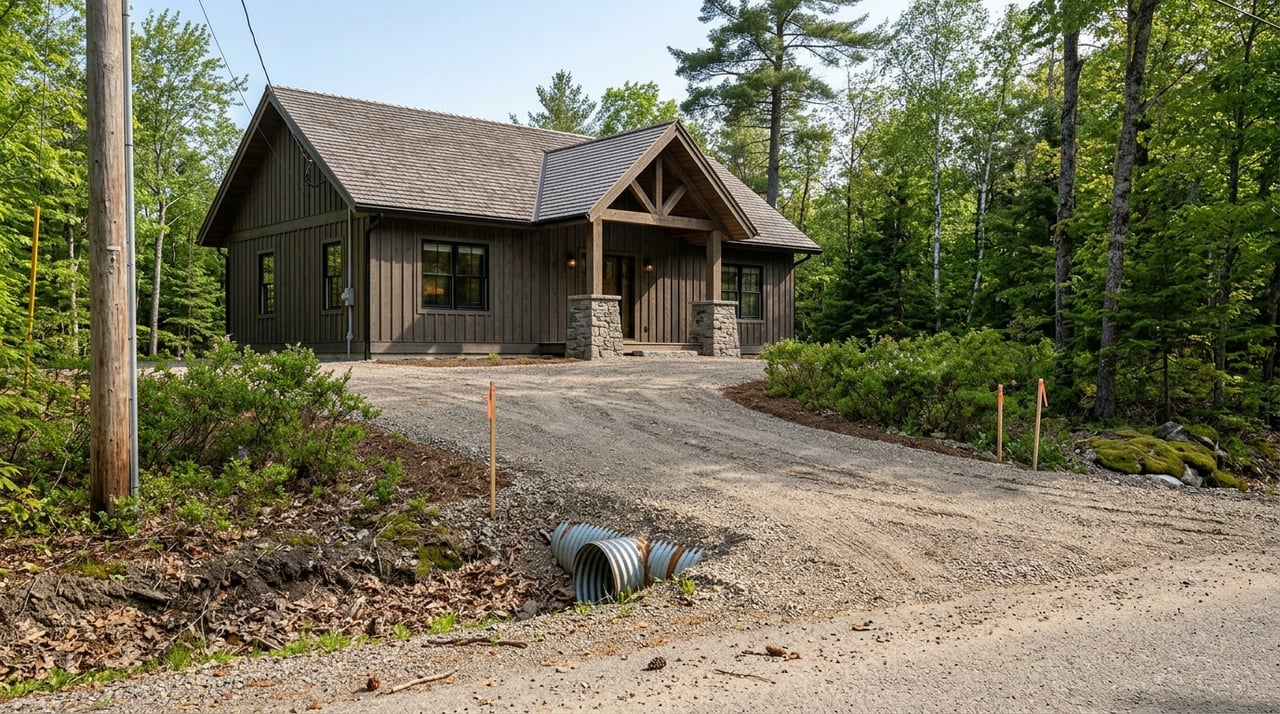
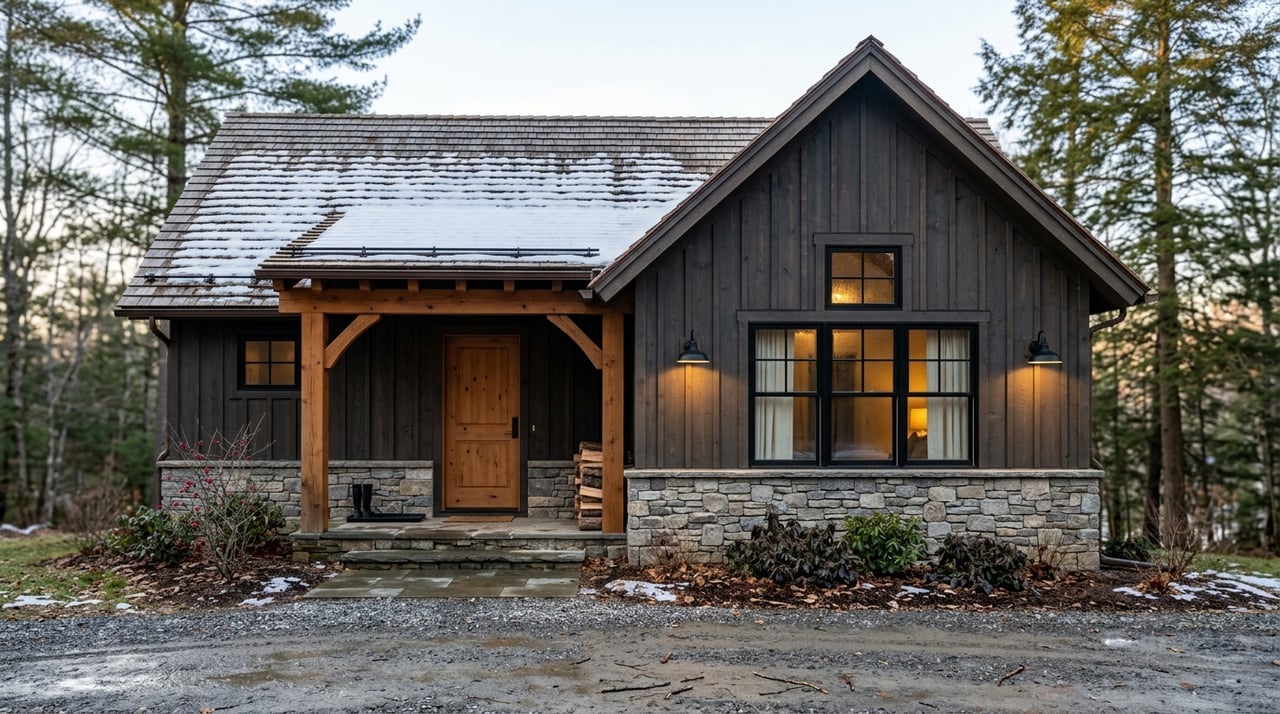
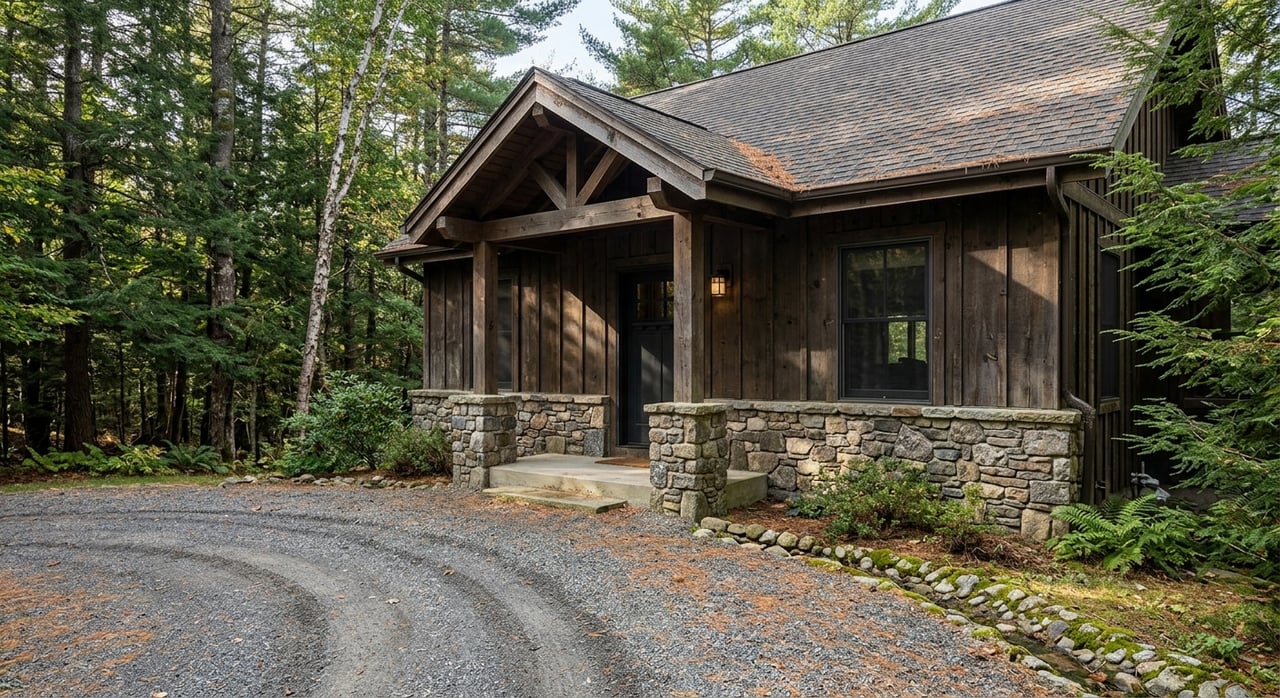
For improved properties, photos should show the camp exterior, driveway, parking or turnaround area, and the immediate land around the structure. For acreage, images should help buyers see the usable portions of the land and how the parcel sits within the broader setting.
In a place like Cross Fork, scenic beauty helps, but clarity matters more. Good listing photos should reduce guesswork, not create it.
Plan showings carefully
Showing a rural property should be organized, not improvised. Many buyers in this market are coming from outside the immediate area, and they may only have one chance to view the property in person.
DCNR notes that cell service can be unpredictable in and around many Pennsylvania state parks. It also notes that winter access on state forest roads is not guaranteed, which makes scheduled showing windows, printed directions, and advance checks on gates, locks, and road conditions especially helpful.
This is where local coordination adds real value. Concentrated showing days and clear logistics can make a niche property much easier for serious buyers to evaluate.
Expect inspections and follow-up questions
Older camps often come with character, but they also bring more buyer questions. Pennsylvania’s Home Inspection Law describes a home inspection as a noninvasive visual examination, not a warranty against hidden defects.
That means buyers will still inspect, and they may come back with detailed follow-up questions about systems, drainage, boundaries, or prior repairs. If you have records, service notes, or practical history about the property, keeping them organized can help the process move more smoothly.
Being prepared does not mean your property has to be perfect. It means buyers can make informed decisions based on clear information.
Prepare for closing details in Potter County
Good preparation should carry all the way through closing. In Potter County, recorded documents should include the tax map ID and municipality, according to county recording instructions.
The county also requires separate checks for the state and county transfer tax components, along with filing fees. Potter County’s fee schedule lists both the local realty transfer tax and Pennsylvania realty transfer tax at 1%, so it helps to plan for transfer-tax details before closing day arrives.
This is another reason rural sellers benefit from a local, hands-on approach. Small county-specific requirements can be easy to overlook if you are used to a more standard residential sale.
What makes a Cross Fork listing stronger
In practical terms, the best Cross Fork camp or acreage listings answer four questions fast:
- Where is the parcel?
- How do you get there?
- What systems does it have?
- What can a buyer legally do with it?
When you can answer those clearly, your property becomes easier to market and easier for buyers to understand. That is especially important in a market where many purchasers are comparing several rural options from a distance.
At Mountain Valley Realty, Inc., this is where local experience matters. A relationship-driven team that understands Potter County can help gather records, coordinate showing logistics, and present niche rural properties in a way that speaks to both local and out-of-area buyers.
If you are thinking about selling a camp or acreage property in Cross Fork, a smart first step is getting the facts and documents in order before you hit the market. When you are ready for practical guidance and local support, connect with Mountain Valley Realty, Inc..
FAQs
What documents should you gather before selling a camp property in Cross Fork?
- Start with your deed, tax map ID, survey if available, and any recorded easements, rights-of-way, leases, mortgages, or road agreements.
What disclosure rules apply to a Cross Fork camp or acreage sale?
- In Pennsylvania, seller disclosure applies to residential transfers of one to four dwelling units, while unimproved real property is treated differently under the law.
Why does access matter when selling acreage in Cross Fork?
- Buyers want clear information about driveway access, shared roads, maintenance responsibility, and how the property connects to the nearest public road.
Who should you contact about septic records for a Cross Fork-area property?
- For properties using on-lot sewage systems, the local Sewage Enforcement Officer is the right contact to help confirm permits and related records.
How should you prepare showings for a rural Cross Fork property?
- Plan ahead with scheduled showing windows, clear directions, and advance checks on gates, locks, road conditions, and seasonal access.
What closing costs should Cross Fork sellers plan for in Potter County?
- Potter County recording guidance includes document requirements and separate transfer tax components, with the county fee schedule listing both the local and Pennsylvania realty transfer tax at 1%.