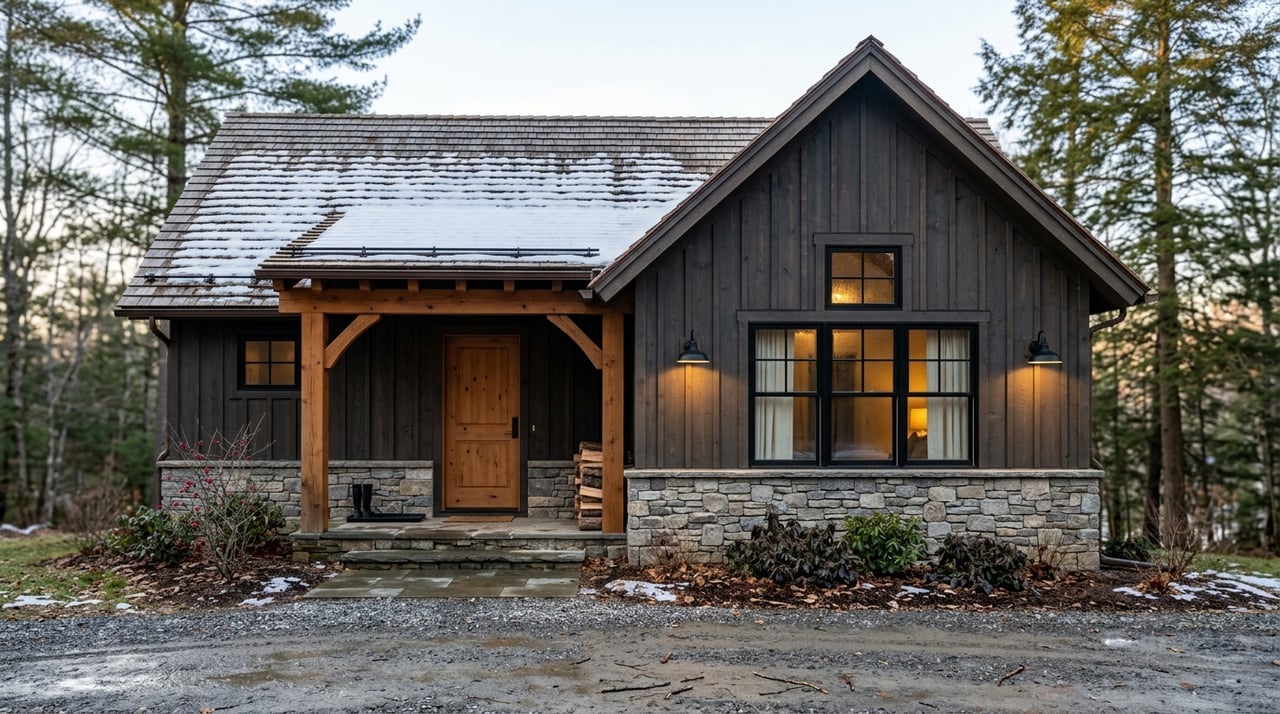
If you are looking at property in Cross Fork, one question matters more than almost any other: are you buying a place to live in every season, or a place to enjoy when camp season calls? In this part of Potter County, that difference shapes everything from your heating setup to your winter access plan. Understanding that split can help you buy with more confidence, sell with better positioning, and avoid surprises after closing. Let’s dive in.
Why the distinction matters in Cross Fork
Cross Fork is not a place built around suburban convenience. Potter County planning documents describe the area as attractive to people who want nature, recreation, open space, solitude, and increasingly, internet access that can support remote work.
That local context matters because the same property can feel very different depending on how you plan to use it. A camp that works perfectly for fishing weekends or hunting season may not be set up for full-time winter living. A year-round home, on the other hand, needs systems that can handle daily life through snow, cold, and rural logistics.
What camp life usually looks like
In Cross Fork, camp life is closely tied to the outdoors. Ole Bull State Park is located right in Cross Fork, and the surrounding area connects you to Susquehannock State Forest, which spans 265,000 acres across Potter, Clinton, and McKean counties.
That setting gives camp owners direct access to the lifestyle many buyers want here. You are close to forested hills, public land, and recreation that tends to shape weekends and seasonal routines more than errands or in-town amenities.
Recreation drives the rhythm
Fishing is a big part of the local identity. Cross Fork Creek is described by DCNR as a wild trout fishery, and Kettle Creek includes fly-fishing-only water.
Trail access also plays a major role. The area supports warm-weather ATV riding through the Northcentral Regional ATV Trail, while winter recreation shifts to marked snowmobile trails within the same state forest network.
Seasonal use is common
Camp life in Cross Fork is often centered on weekends, vacation stretches, hunting seasons, fishing trips, and trail days. Many owners use their property heavily during milder weather, then shift into a winterization routine when temperatures drop.
That pattern lines up with the local park calendar too. DCNR notes that Ole Bull State Park is open daily year-round, but Campground 1 operates from April 1 through Veterans Day, while only parts of Campground 2 stay open year-round.
What year-round living requires
Living in Cross Fork full time is possible, but it calls for a more durable setup. The biggest difference is not the address on the mailbox. It is whether the home’s systems can support everyday life in all seasons.
Nearby NOAA climate normals for Coudersport 7SE show why that matters. The area sees a mean annual temperature of 44.9°F, annual precipitation of 46.73 inches, and annual snowfall of 78.0 inches. January averages 21.9°F, while July averages 66.3°F.
Winter readiness is essential
In this climate, winter prep is not optional. EPA guidance highlights practical steps such as insulating water lines that run along exterior walls, draining outdoor spigots before freezing weather, and planning for the risk of burst pipes during severe winter weather.
For a full-time home, you will want to think beyond a simple weekend shutdown checklist. Reliable heat, protected plumbing, and a realistic plan for cold-weather upkeep become part of daily ownership.
Utilities matter more in rural properties
Many rural Pennsylvania properties rely on private wells and septic systems. EPA recommends annual private well testing for total coliform bacteria, nitrates, total dissolved solids, and pH.
Pennsylvania DEP also warns that malfunctioning septic systems can contaminate water and create health problems. In a place like Cross Fork, that makes ongoing maintenance and system design much more important than many first-time rural buyers expect.
Local approvals are part of the picture
Stewardson Township lists both a building code inspector and a sewage enforcement officer on its township page. That is a useful reminder that site-specific approvals, repairs, and system questions matter when you are buying or selling in Cross Fork.
For buyers, that means asking detailed questions early. For sellers, it means being prepared to explain how the property has been maintained and whether its systems support seasonal or year-round use.
Daily life versus getaway life
One of the clearest ways to compare a year-round home and a camp is to think about your routine. A camp is often designed around recreation first. A year-round home needs to support your normal week, not just your favorite weekend.
Here is a simple breakdown:
| Focus | Seasonal Camp | Year-Round Home |
|---|---|---|
| Typical use | Weekends, vacations, hunting and fishing trips | Full-time daily living |
| System needs | Basic seasonal function and winterization | Durable heat, plumbing protection, reliable utilities |
| Winter approach | Shut down or reduce use in cold months | Stay operational through snow and freezing weather |
| Key question | How close is it to recreation? | How does it handle everyday life in winter? |
| Buyer priority | Forest access, trails, privacy, outdoor use | Road access, utilities, internet, emergency travel |
Questions buyers should ask before making an offer
If you are deciding between a camp and a full-time home, the most important questions are practical. In Cross Fork, lifestyle and property condition are deeply connected.
Is it truly four-season?
Ask about insulation, the heating source, plumbing protection, and whether the home is set up for freezing temperatures. The difference between a seasonal property and a year-round home often comes down to how durable those systems are.
How do the well and septic function?
If the property uses private water and wastewater systems, ask about maintenance history, testing, and any known issues. These systems are central to year-round use and can also affect how confidently you move forward as a buyer.
What is winter access like?
Snow and cold are part of life in Potter County. You will want to understand how the property handles winter road access and whether your daily routine would be realistic during the colder months.
How connected is the property?
Broadband is part of the full-time living conversation now. Potter County QuickFacts show that 85.8% of households have a broadband subscription, and the county’s 2025 strategic management plan notes that expanding internet access has helped some residents relocate while working remotely.
That does not mean every property will fit every work-from-home need. It does mean internet access deserves a spot on your checklist if you are considering full-time living.
Where are routine services located?
Cross Fork offers a quiet, rural setting, but many services are centered outside the hamlet. DCNR lists UPMC Cole in Coudersport as the nearest hospital on the Ole Bull State Park page, which is a good reminder to think through regular travel patterns as part of your decision.
What sellers should understand before listing
If you are selling in Cross Fork, buyers will likely view your property through one of two lenses: camp life or year-round living. The clearer you are about which category fits, the better you can attract the right audience.
A seasonal property can be very appealing when it offers strong access to fishing, trails, public land, and privacy. A year-round property tends to stand out when you can show that the home is built and maintained for winter weather, private system reliability, and practical day-to-day use.
That is where local presentation matters. In a market like this, a good listing does more than show photos. It helps buyers understand how the property lives, what kind of ownership it supports, and what makes it a fit for their goals.
How Cross Fork buyers can decide
If your goal is recreation, a camp may be exactly the right fit. You may care most about proximity to public land, stream access, trail connections, and the quiet feel that makes Cross Fork so appealing in the first place.
If your goal is full-time living, your checklist needs to be stricter. You should focus on heat, insulation, plumbing protection, private systems, internet availability, and how the property handles winter travel.
Neither path is better across the board. The right choice depends on how you want to use the property and whether the systems match that plan.
In a rural market like Cross Fork, that practical match matters more than labels. A well-chosen camp can deliver years of outdoor enjoyment, and a properly equipped year-round home can offer the space, quiet, and natural setting many buyers are actively seeking in Potter County.
If you want help sorting out whether a property is best suited for camp life, full-time living, or the right kind of marketing before you sell, the local team at Mountain Valley Realty, Inc. is here to help with practical guidance grounded in Northern Tier experience.
FAQs
What is the main difference between camp life and year-round living in Cross Fork?
- The main difference is whether the property’s systems can support full-time use through winter, including heat, plumbing protection, private water and wastewater performance, and reliable access.
What should buyers check for a year-round home in Cross Fork?
- Buyers should ask about insulation, heating source, plumbing protection, well and septic design, winter road access, internet availability, and how the property performs during cold weather.
What makes Cross Fork appealing for seasonal camp owners?
- Cross Fork appeals to many camp owners because of its access to Ole Bull State Park, Susquehannock State Forest, fishing waters, ATV routes, snowmobile trails, and a lifestyle centered on recreation and solitude.
What utility issues matter most for rural properties in Cross Fork?
- Private well and septic systems are major factors, so buyers and sellers should pay attention to testing, maintenance history, performance, and any site-specific sewage or code questions.
What should sellers highlight when listing a Cross Fork property?
- Sellers should clearly present whether the property is best suited as a seasonal camp or a year-round home, and highlight the features that support that use, such as recreation access or four-season system durability.