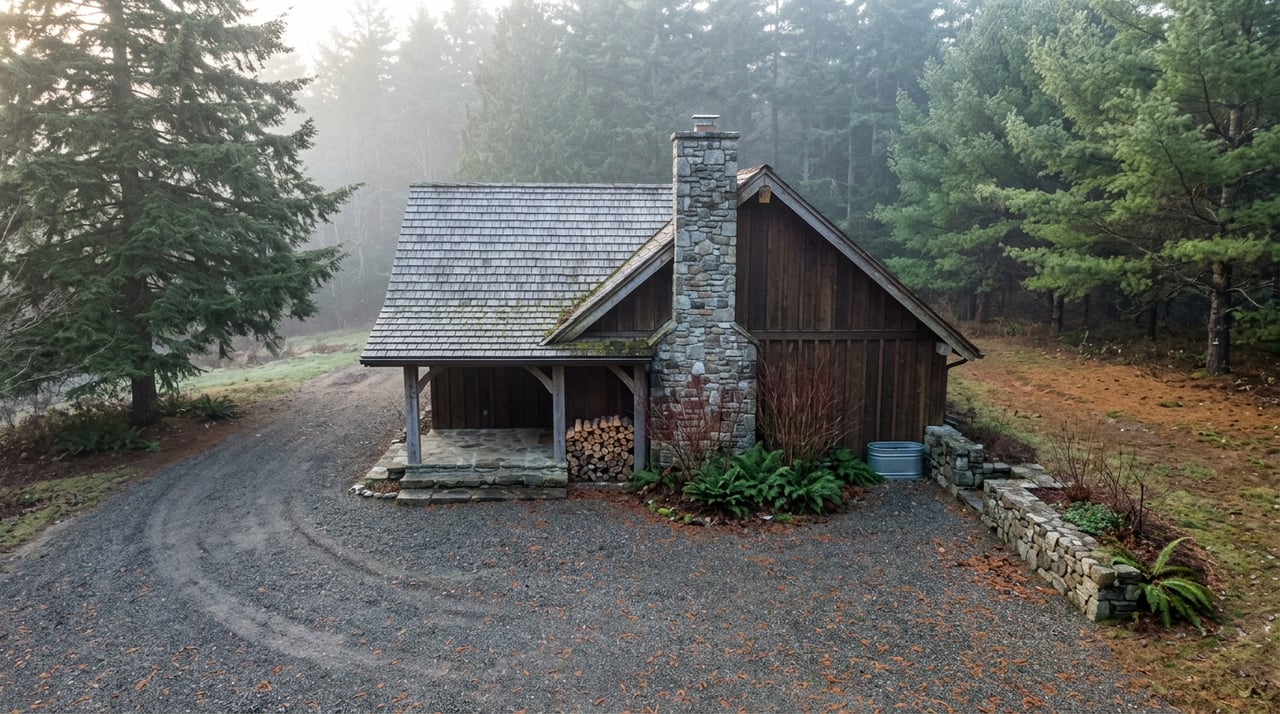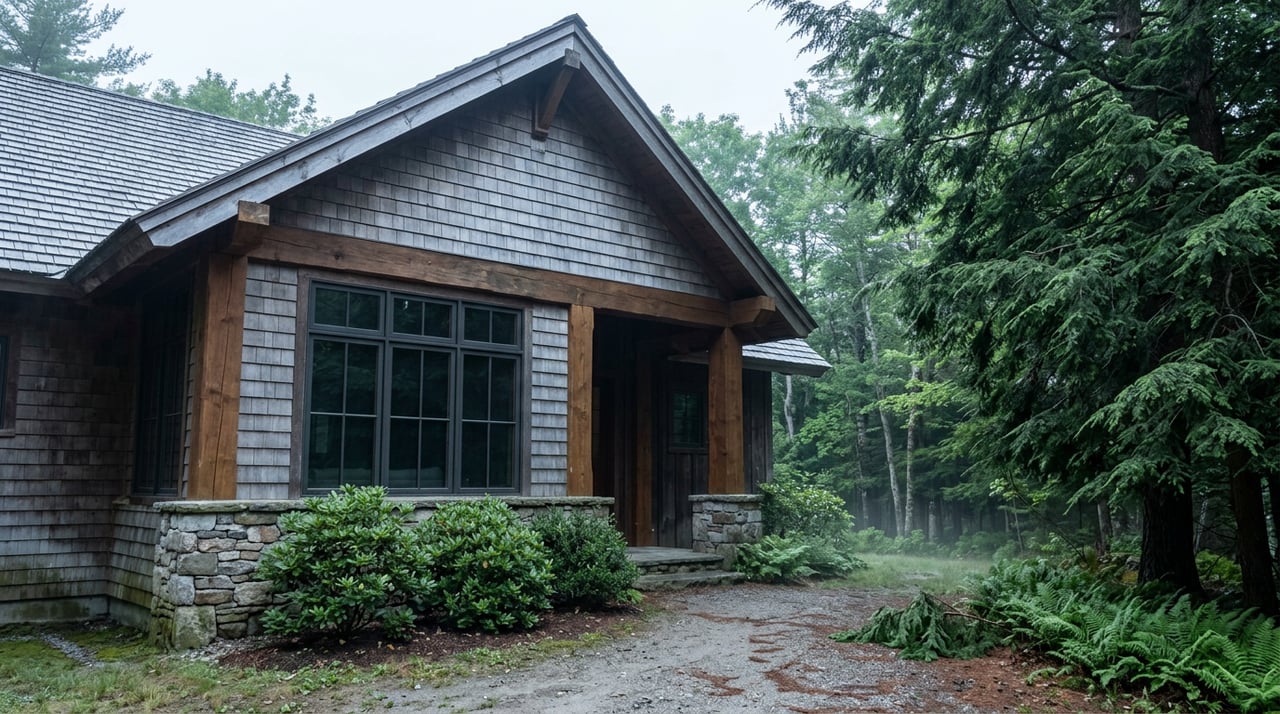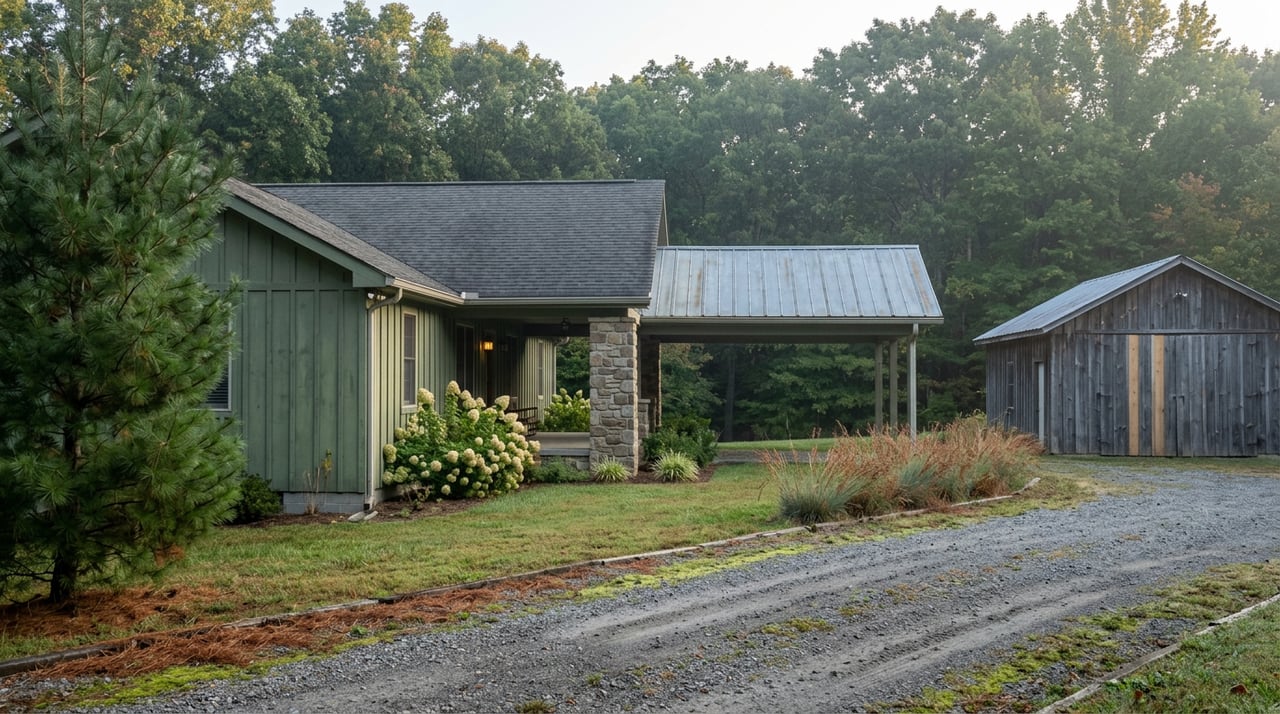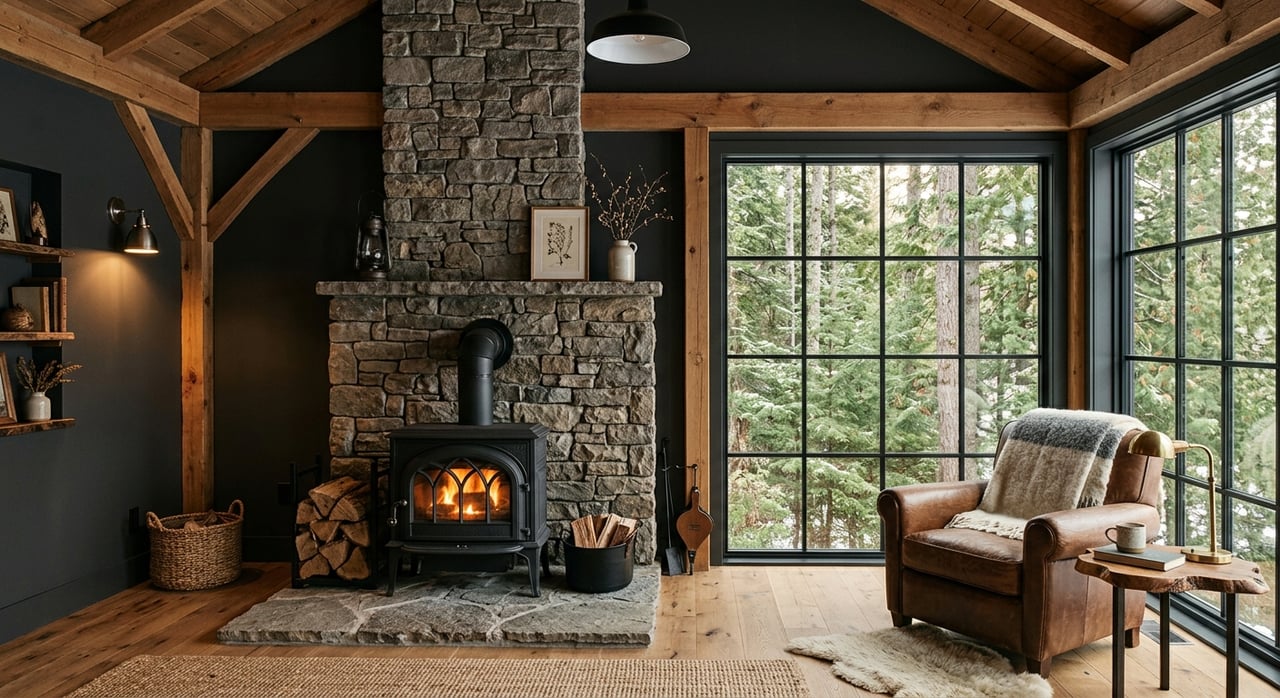
Craving a place where weekends feel like summer camp, even when you own the keys? Cross Fork offers exactly that kind of rhythm. If you are dreaming about a cabin, a hunting camp, or a simple getaway in the woods, this area gives you a very specific version of rural living. Here’s what camp life in Cross Fork really looks like, and what to think through before you buy.
Why Cross Fork Feels Like Camp Country
Cross Fork is surrounded by the kind of public land that shapes daily life and weekend plans. Susquehannock State Forest covers about 265,000 acres, mostly in Potter County, and the Pennsylvania Department of Conservation and Natural Resources describes it as one of Pennsylvania’s most remote state forests. That setting gives Cross Fork its quiet, woods-first identity.
The village also sits right in the path of outdoor travel and recreation. The 85-mile Susquehannock Trail System passes through Cross Fork and runs near Ole Bull State Park, Lyman Run State Park, Cherry Springs State Park, and Patterson State Park. DCNR even identifies Cross Fork as a headquarters point for trail information and public restrooms, which says a lot about the area’s role as a recreation base.
Water is a big part of the draw here too. DCNR notes that Kettle Creek holds good trout populations and includes a designated fly-fishing-only area, while Cross Fork Creek is known as an excellent wild trout fishery. In the broader Kettle Creek watershed, more than 65 miles of streams are classified as Class A trout waters, meaning they support self-sustaining wild trout fisheries.
Ole Bull State Park adds even more to that classic camp feel. The park is located in Cross Fork and includes 132 acres along the Kettle Creek Valley. DCNR describes this area as part of the Black Forest, known for mountainous terrain, dense historic tree cover, and wilderness habitat.
What Weekends Look Like in Cross Fork
A big part of Cross Fork’s appeal is that the year has a real outdoor rhythm. Each season brings a different reason to come up, stay longer, or buy a place that keeps you close to the woods. If you are considering a cabin or camp here, it helps to picture how the calendar shapes use.
Spring Means Trout and Planning Ahead
For many buyers, spring starts the season. The Pennsylvania Fish and Boat Commission says trout season opens the first Saturday in April at 8 a.m., which makes early spring a natural kickoff for camp weekends and fishing trips.
Spring also comes with rules you need to know. DCNR says campfires in the state forest are not permitted when fire danger is high, very high, or extreme. They are also restricted from March 1 through May 25 unless authorized, so your early-season camp routine may need a little more planning than you expect.
Summer Brings Trails and Creek Time
Summer in Cross Fork is built around movement and time outdoors. DCNR says the district includes about 550 miles of hiking trails, plus a 43-mile ATV trail system. That gives cabin owners and weekend visitors a long list of ways to spend the day close to home.
State forest camping is also part of the local pattern. In Susquehannock State Forest, designated roadside campsites require permits and reservations. DCNR notes there are no electric hookups, dump stations, or trash disposal facilities on state forest land, which reinforces the area’s rustic, low-frills camp culture.
Fall Is Peak Cabin Season
Fall may be the season that best matches the Cross Fork image buyers have in mind. DCNR specifically notes that touring the district’s gravel roads for fall foliage and wildlife is a popular activity. If your idea of a perfect weekend includes a porch, a fire ring, and a drive through the mountains, this is when the area really shines.
The hiking and sightseeing season stays strong in autumn too. Cross Fork’s location near multiple parks and trail systems means you are not limited to one destination or one type of outing. A simple cabin can become the base for full weekends of fishing, hiking, or just slowing down.
Winter Is Beautiful but Weather-Dependent
Winter living in Cross Fork has a different pace. DCNR says the forest sits on the eastern edge of the lake-effect snow belt, and there is usually adequate snow for winter activities. More than 250 miles of joint-use roads and snowmobile trails are groomed each year, and the district also offers about 40 miles of marked cross-country ski trails.
At the same time, winter here is not a suburban experience. DCNR says state forest roads are not plowed, so access can change quickly with the weather. If you are thinking about using a camp year-round, winter access, heating, and road conditions should be part of your buying checklist.
Camp Culture Goes Beyond Tents
Cross Fork is not just about pitching a tent for a weekend. The local camping mix includes cabins, roadside campsites, primitive camping, and simple private camps that may be used seasonally or throughout the year. That variety helps explain why buyers are often drawn to properties that feel more practical than polished.
Nearby parks support that year-round camp mindset. Ole Bull State Park offers year-round camping and a year-round log cabin along Kettle Creek. Nearby, Lyman Run State Park offers 35 campsites along with winter skiing and snowmobiling, while Patterson State Park offers primitive camping and access to the Susquehannock Trail System.
What Buying a Cross Fork Property Often Means
If you are shopping in Cross Fork, it helps to understand that the local inventory often looks different from a typical residential market. Current examples from Mountain Valley Realty include a rustic 2-bedroom camp on 3.3 acres with heat and electric but no running water and a privy, a 1-acre cabin with two bedrooms plus a loft, a mini split, a pellet stove, a well, and an in-ground sewer system, and a large 134.88-acre wooded tract. That mix points to a market centered more on camps, cabins, and acreage than subdivisions.
In other words, you may be buying a lifestyle first and a structure second. Many properties here are appealing because they put you close to trout water, trail systems, and state forest land. But that also means you need to look carefully at what the property can support day to day.
Utilities Matter More Than Buyers Expect
In a rustic market, utility details are a major part of value. The Pennsylvania Department of Environmental Protection says private homeowner wells are not regulated by the state, and it recommends annual testing for total coliform bacteria, nitrates, total dissolved solids, and pH. DEP also notes that on-lot sewage systems require proper homeowner operation and maintenance.
That matters because a camp can feel ready for weekends but still need deeper review before you use it more often. Water, septic, heat, insulation, and seasonal access can all affect whether a property works as a simple getaway or something closer to full-time living.
Access Is Part of the Property Story
In a recreation-driven market, buyers sometimes focus on maps before they focus on legal access. The Pennsylvania Fish and Boat Commission warns that many waters in Pennsylvania are privately owned, and the fact that a waterway appears on a map does not guarantee public access. That is important in Cross Fork, where stream access and outdoor use are often part of the appeal.
This is one reason local guidance matters. A property may be close to excellent fishing, trails, or state forest land, but the details of access and use still need to be understood clearly before you buy.
Is Cross Fork the Right Fit for You?
Cross Fork tends to fit buyers who want woods-first living. You may be a good fit if you are comfortable with gravel roads, seasonal routines, simple infrastructure, and a property that is more about outdoor access than low-maintenance convenience.
It can be a strong match if you want:
- A weekend cabin or hunting camp
- A getaway near trout water and trails
- Acreage with a more private, rural setting
- A property that supports outdoor recreation across the seasons
- A slower pace that feels removed from busier towns
It may be less ideal if you want a highly serviced setting with easy winter travel, municipal utilities, and a more standard neighborhood layout. Cross Fork is special because it is different, and that difference should match the way you want to use the property.
Why Local Guidance Helps Here
Buying in Cross Fork is often about more than square footage. You may need help comparing camp-style properties, understanding utility setups, narrowing down access questions, or coordinating showings if you are coming from out of the area. Those details can make a big difference in whether a property truly fits your plans.
That is where a local brokerage can bring real value. Mountain Valley Realty understands the rural property types that define this part of Potter County, from simple camps to larger wooded tracts. If you are trying to sort through the practical side of cabin life in Cross Fork, having a local team in your corner can save time and help you focus on the right options.
If Cross Fork sounds like your kind of weekend, or your next chapter, talk with a local team that understands camp properties and rural acreage. Reach out to Mountain Valley Realty, Inc. to start your search.
FAQs
What makes Cross Fork, Pennsylvania feel like camp country?
- Cross Fork sits within Susquehannock State Forest, near major trail systems, trout streams, and state parks, which gives the area a strong recreation-based, cabin-oriented identity.
Can you camp in Susquehannock State Forest near Cross Fork?
- Yes. DCNR says designated roadside campsites require permits and reservations, and primitive backpack camping is allowed in most of the forest under separate rules.
What is winter like for cabin owners in Cross Fork?
- Winter can be scenic and active, with snowmobiling and cross-country skiing common in the area, but state forest roads are not plowed, so access can be weather-dependent.
What kinds of properties are common around Cross Fork?
- The market often includes rustic camps, cabins with simple utility setups, and larger wooded acreage rather than typical subdivision-style homes.
What should buyers check before buying a cabin in Cross Fork?
- Buyers should review water sources, septic systems, heat, insulation, and road access carefully, especially if they plan to use the property beyond occasional weekends.
Is Cross Fork more about fishing or hunting?
- It is both. The area is known for trout water like Kettle Creek and Cross Fork Creek, and hunting is permitted throughout the surrounding state forest.