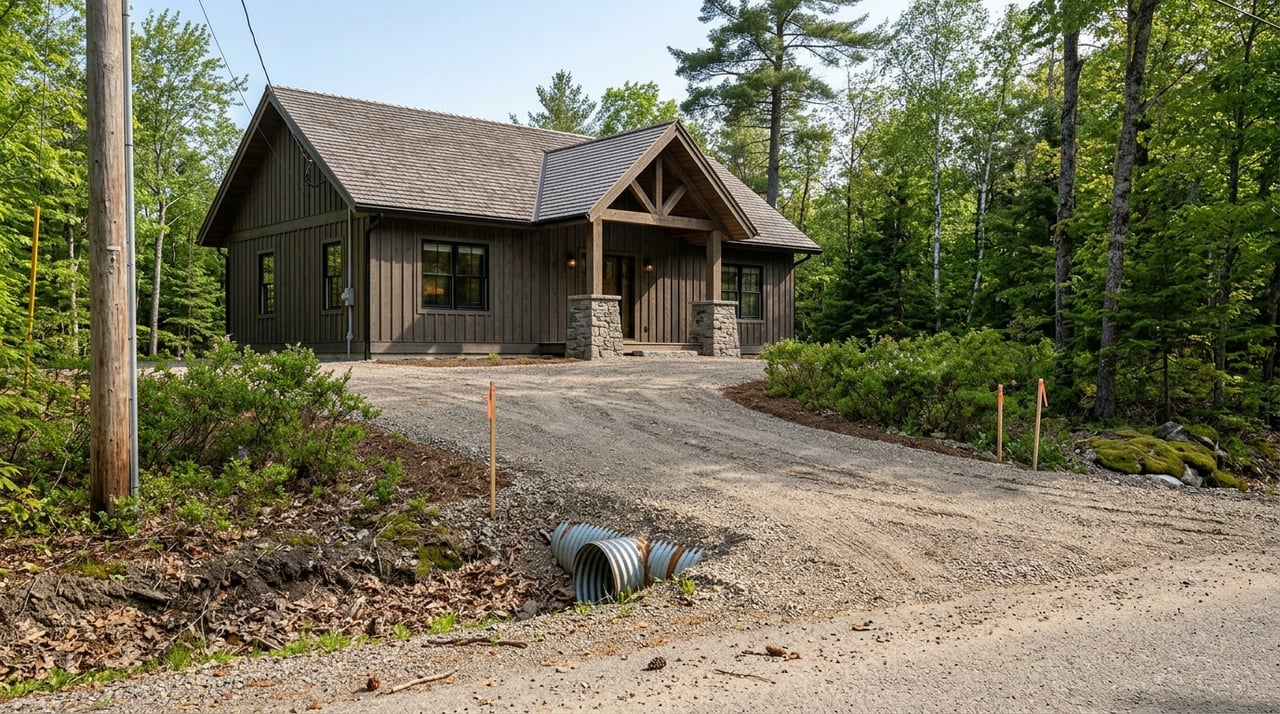
Wondering if that beautiful piece of land near Cross Fork is really as simple as it looks? In this part of Potter County, a parcel can offer privacy, woods, and recreation, but the details behind access, slopes, sewage, and title matter just as much as the view. If you are thinking about buying land for a cabin, camp, future home, or weekend retreat, knowing what to check before you make an offer can save you time, money, and stress. Let’s dive in.
Start With the Land Itself
Near Cross Fork, the setting is a big part of the appeal. This area is rural, heavily wooded, and shaped by hills, drainage, and forest edges. Potter County is part of a deeply dissected plateau with extensive steep slopes and very little level land, so a parcel that looks great online may have only a small usable building area once you walk it.
That is why it helps to look beyond acreage alone. You want to understand where the flatter ground is, how water moves across the property, and whether a driveway, cabin site, or septic area is realistic. In many cases, the most important question is not how much land you are buying, but how much of it you can actually use.
Check slope and drainage
Steep ground can affect almost everything about your plans. It may change where you can place a driveway, how much site work you need, and whether a building location is practical. Low spots and drainage paths also matter because they can affect access, septic placement, and long-term maintenance.
Notice nearby public land
Susquehannock State Forest covers a large area in and around Potter County, and that can be a major benefit if you want access to trails, hunting areas, or a strong outdoor setting. At the same time, nearby public land can affect privacy, traffic patterns, and seasonal use in the area. A tract near state forest may feel very different in hunting season or during peak recreation periods than it does on a quiet weekday.
Confirm Legal Access Early
One of the biggest issues with rural land is access. A parcel may look road-fronted in a listing, but you still want to confirm whether access is direct, recorded, and usable year-round. In rural Potter County, that should be one of your first due diligence steps.
Potter County records deeds, rights of way, leases, and mortgages, and the county’s recording requirements call for property identification that includes the municipality, county, state, and tax map ID. The county’s 911 addressing ordinance also distinguishes public roads from private roads, which matters when you are evaluating how a property is reached.
Ask these access questions
- Is the parcel on a public road or a private road?
- If it is on a private road, is there a recorded right of way?
- Is the road named and signed as required for private-road access?
- Is the driveway location realistic for the terrain?
- Has a 911 address been assigned, or will one need to be requested?
If access is not clear in writing, do not assume it will be easy to fix later. For rural land, recorded access is one of the most important items in the file.
Review Title, Deed, and Survey
Before you close on land near Cross Fork, you should know exactly what is being conveyed. A deed can show the buyer, seller, dates, property description, and terms and conditions, but it may not answer every question by itself. That is why a title review and current survey are so valuable.
A survey helps confirm boundary lines and shows where lots, structures, and improvements sit. On wooded ground, it can be surprisingly easy to misread a boundary or assume a trail, road, or clearing is part of the property when it is not. If you are buying for hunting, recreation, or future building, that clarity matters.
Documents worth gathering
- Current deed
- Chain of title
- Tax parcel ID
- Recorded easements and rights of way
- Leases or mortgages tied to the parcel
- Survey or legal description
- Any prior subdivision approvals
A title company or attorney can help review the title search and discuss owner’s title insurance. Owner’s title insurance can help protect your equity if a title problem shows up later.
Understand Water and Septic Reality
Many buyers from outside the area assume utilities will work like they do in more developed places. Near Cross Fork, private water and on-lot sewage are often the real story. That means you should confirm the facts before treating a parcel as build-ready.
Pennsylvania does not regulate private wells, and annual water testing is recommended for items such as total coliform bacteria, nitrates, total dissolved solids, and pH. If a property has an existing well, ask for any available records and test results. If there is no well, you will want to understand what your likely path is for future water service.
On the sewage side, on-lot permitting and enforcement are largely handled through local agencies under Pennsylvania’s Act 537 framework. If you hope to build a cabin or home in Stewardson Township, it is smart to confirm the permit path with the local sewage enforcement officer and building code inspector before you move forward.
Buildability questions to ask
- Is there an approved septic system, or will a new system be needed?
- Are there past sewage or soil records available?
- Is there an existing well, and are test records available?
- Has the parcel ever been used with a camp, cabin, or home site?
- What permits will be required before construction?
Pennsylvania’s Uniform Construction Code requires a permit before construction and a certificate of occupancy before a building can be used. A parcel is not truly build-ready until those questions are answered in writing.
Check Flood Risk and Low Areas
Creeks, drainages, and wooded low ground can be part of a property’s charm, but they can also create limitations. If a parcel near Cross Fork includes creek frontage, stream corridors, or low-lying spots, flood review should be part of your due diligence.
Potter County offers a local flood-risk tool, and FEMA’s flood map resources remain the official source for flood maps and flood insurance rate maps. This is especially important if your possible building site, driveway, or septic field is anywhere near water or a drainage corridor. Even if only part of the land is affected, that can still shape how you use the tract.
Think About Future Plans
A parcel that works for camping today may not automatically work for splitting, building, or resale later. If you think you may create additional lots in the future, Potter County’s subdivision and land development rules should be part of your early research.
In municipalities without their own ordinance, Potter County’s SALDO applies and requires plans to be approved before recording. The county also defines a minor subdivision as up to four lots. If your long-term goal includes dividing acreage, adding a new lot, or setting up a family transfer later, check those rules before you buy.
Your intended use matters
Try to define your goals as clearly as possible before making an offer. For example:
- Camp or cabin use: Focus on access, water, sewage, and seasonal conditions.
- Future home site: Focus on permits, septic planning, driveway layout, and buildable ground.
- Recreational use: Focus on boundaries, nearby public land, seasonal traffic, and terrain.
- Future subdivision: Focus on county approval requirements and recorded legal descriptions.
The right parcel for one use may be the wrong parcel for another.
Ask About Timber and Mineral Rights
In a wooded area like Cross Fork, buyers often focus on the surface and overlook what may be happening below it. Pennsylvania has a long history of oil and gas development, and ownership of oil and gas rights is often spelled out in deeds. You should not assume those rights transfer with the land unless the records confirm it.
A thorough courthouse deed search is often necessary to determine whether the surface owner also owns the oil and gas rights. If you are buying heavily wooded land, it is also reasonable to ask about timber harvest history or whether there is any forest-management plan tied to the property. These questions can affect value, use, and your long-term expectations.
Use Local Resources Before You Commit
A strong land purchase file near Cross Fork usually includes more than a listing sheet and tax bill. The most helpful local resources are often Potter County GIS and Planning, the Recorder of Deeds, Stewardson Township, the township building code inspector, the sewage enforcement officer, and your title professional or attorney.
Potter County’s GIS office offers parcel and flood-risk tools, and the county also provides planning and subdivision resources. Those local sources are often the best place to confirm whether a property can support your intended use. When you are buying rural land, local detail matters.
A Smart Cross Fork Land Checklist
Before you move from interest to offer, make sure you have answers to these core questions:
- Where are the true boundaries?
- Does the parcel have recorded legal access?
- Is the road public or private?
- What is the terrain actually like on site?
- Is there usable ground for a driveway, septic area, and building site?
- Are well and sewage plans realistic?
- Is any part of the parcel in a flood-risk area?
- Are there deed restrictions, easements, leases, or mineral-rights issues?
- Will your intended use require subdivision or other county approval?
The safest approach is simple: treat a parcel as unproven until access, title, water, sewage, flood risk, and permit questions are answered in writing.
Buying land near Cross Fork can be a great move if you love privacy, woods, and the Northern Tier lifestyle. You just want to go in with clear eyes and solid local guidance. If you are comparing acreage, camp lots, or future homesites in Potter County, the team at Mountain Valley Realty, Inc. can help you sort through the practical details and find land that fits your goals.
FAQs
What should you check first when buying land near Cross Fork?
- Start with recorded access, parcel boundaries, terrain, and whether the land appears usable for your intended purpose.
Why does access matter so much for Potter County land?
- Rural parcels may involve private roads or recorded rights of way, so you want written proof that you can legally and practically reach the property.
Can you assume land near Cross Fork is build-ready?
- No. You should confirm access, title, water, sewage, flood risk, and permit requirements in writing before treating any parcel as buildable.
What water and septic questions matter for Cross Fork land buyers?
- Ask whether there is an existing well or septic system, whether records are available, and what local approvals would be needed for a new cabin or home.
Why should you check flood risk on rural land in Potter County?
- Flood risk can affect where you place a driveway, septic field, or building site, especially on creekside or low-lying tracts.
Do mineral rights always transfer with land near Cross Fork?
- No. Oil and gas rights may be addressed separately in the deed history, so a deed search is important before closing.
What if you want to subdivide land later in Potter County?
- You should review county subdivision rules early, because approvals may be required before new lots can be recorded.