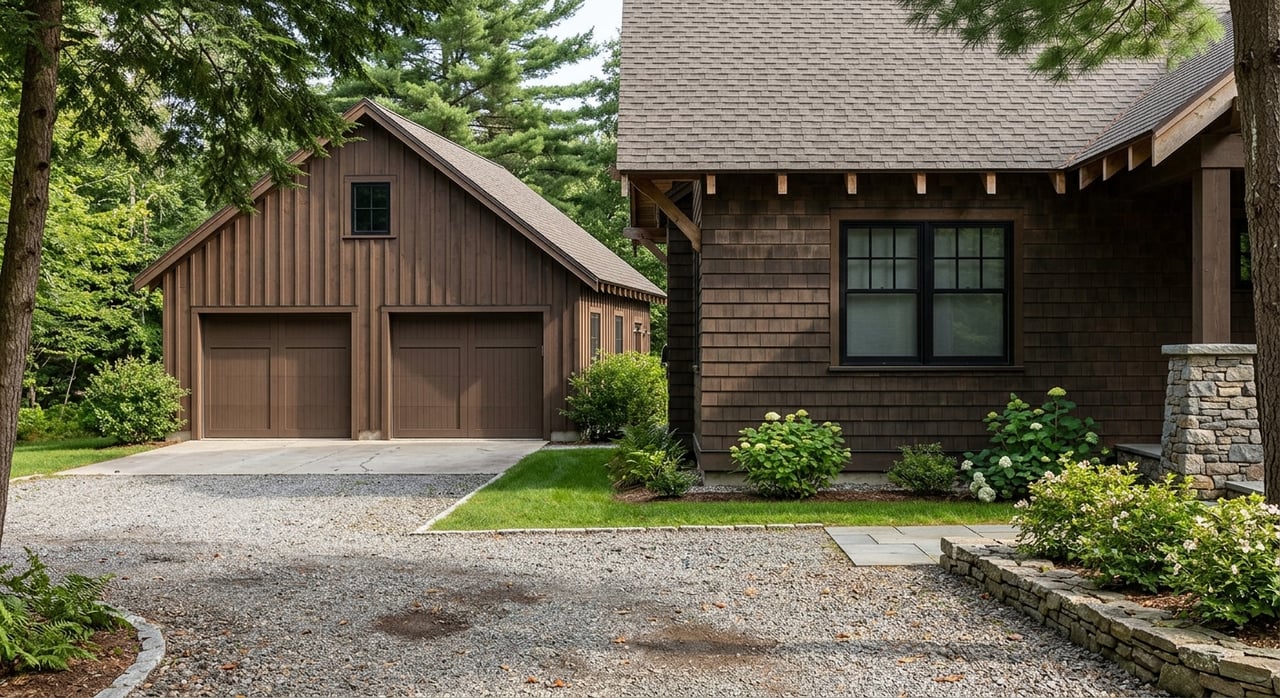
Wondering how much your Smethport home will appraise for, especially if it sits on a larger lot, has a barn, or includes features that are common in rural Pennsylvania? You are not alone. Rural appraisals can feel less predictable than in-town valuations, but the right prep can make the process much clearer. In this guide, you will learn what appraisers often look for in and around Smethport, how to get your property ready, and what details can help support a clean, accurate appraisal. Let’s dive in.
Why rural appraisals feel different
In Smethport, a property may tell a more complex story than a typical in-town house. Lot layout, driveway access, outbuildings, and mixed residential and accessory agricultural uses can all shape how an appraiser understands the home.
That matters because rural markets often have fewer recent comparable sales. When sales data is limited, location analysis and market-condition adjustments can carry more weight, which makes a clear presentation of your property even more important.
What makes Smethport unique
Smethport’s zoning includes Residential, Commercial-Residential, and Agricultural-Conservation districts. In the Agricultural-Conservation district, dwelling use, general farming, and growing and harvesting trees are permitted, which means some properties in and around Smethport may legitimately combine residential living with certain accessory agricultural features.
McKean County mapping also highlights address points, road centerlines, and driveways. For you as a homeowner, that is a practical reminder that access, site layout, and how the parcel connects to the road network can be part of the property story during appraisal.
What an appraiser is likely to notice
Condition and visible maintenance
An appraisal report is expected to include a clear, detailed, and accurate description of the dwelling and outbuildings. That includes needed repairs, features, amenities, modernization, and any accessible areas the appraiser can inspect.
This is why unfinished maintenance matters. Small items like peeling paint, damaged trim, loose handrails, or broken fixtures may seem minor on a busy property, but visible deferred maintenance can affect how the home is described.
Older homes are not automatically a problem
Many homes in and around Smethport have age and character. Age alone does not disqualify a property or mean it will appraise poorly.
What matters more is whether the home’s condition and quality are acceptable to typical buyers in the local market. In simple terms, an older home that has been cared for often tells a much stronger story than a newer home with obvious neglect.
Additions and permits can come up
If your home has an addition or major improvement, be ready to provide records if you have them. When work lacks the required permit, the appraiser may need to comment on the quality and appearance of the work and whether it affects value.
That does not mean every improvement becomes a problem. It does mean you should have documentation ready instead of assuming the topic will never come up.
Outbuildings need context
On rural properties, sheds, garages, barns, and similar structures often get more attention than owners expect. Appraisers are expected to describe outbuildings, and the size and function of those structures can influence how the property is viewed.
Smaller outbuildings, such as a modest shed or small barn, may fit comfortably within a residential property if similar features are common in comparable sales. Larger farm-type structures, such as significant barns, silos, or animal facilities, may raise questions about whether the property leans more toward agricultural use than residential use.
Explain what each structure is used for
One of the simplest ways to help is to clearly identify each outbuilding’s purpose. If you have a detached garage, workshop, storage shed, or small barn, make it easy for the appraiser to understand how it supports the home’s residential use.
This is especially useful in Smethport, where some properties may sit in or near areas that allow agricultural-related uses. Clear information helps separate normal rural residential features from more intensive nonresidential use.
How to prepare before appraisal day
Make the property easy to inspect
A rural appraisal is easier when the appraiser can clearly see the home, the site, and each structure. Clear pathways, unlock accessible buildings, trim back anything blocking doors or exterior views, and reduce clutter that makes rooms or outbuildings hard to photograph.
The goal is not perfection. The goal is visibility, access, and a property that can be accurately described.
Focus on these prep tasks
- Clear access to the driveway, entry points, and outbuildings
- Remove clutter that blocks walls, floors, or structural features
- Replace burned-out light bulbs in key areas
- Finish visible minor repairs before the appointment
- Make sure house numbers are easy to see
- Secure pets so the inspection can move smoothly
Gather a simple documentation packet
A good appraisal packet does not need to be fancy. It just needs to be organized and useful.
Include items that help explain the home’s condition, improvements, and site use. This can help the appraiser distinguish residential improvements from features that may need more context.
Helpful documents to have ready
- Permits for additions or major improvements
- A list of updates and approximate completion dates
- Contractor invoices or receipts, if available
- Notes describing each outbuilding and its use
- Basic information about site access or driveway layout if it is not obvious
Finish repairs before the appointment
Timing matters. If you know the lender will require an appraisal for a purchase or refinance, it is smart to confirm early what documents or inspection level may be needed.
It is also wise to complete repairs before the appraiser arrives, not after. If a defect or adverse condition is visible during the inspection, it may need to be reported and considered in the value analysis.
Tell a clear property story
In a rural market, clarity can go a long way. That means helping the appraiser understand how the house, land, driveway, and accessory structures work together as one residential property.
If your lot layout is unusual, your driveway access is not obvious, or your outbuildings serve everyday residential needs, be ready to explain that simply and factually. In Smethport, where parcel layout and road connection can be part of the picture, this context can be especially useful.
What not to do
Some homeowners worry that they should hide issues or avoid mentioning repairs. That usually does not help.
The appraisal is supposed to reflect visible adverse conditions and needed repairs. A better approach is to be straightforward, complete the items you can, and provide clean documentation for work that has already been done.
Avoid these common mistakes
- Leaving additions or improvements undocumented
- Locking or blocking access to parts of the property
- Letting clutter hide condition issues or features
- Waiting until after the appraisal to finish obvious repairs
- Assuming older age alone will hurt value
A practical mindset for Smethport sellers
If you are preparing to sell, the best appraisal strategy is usually not a dramatic renovation. It is a well-maintained, easy-to-understand property with clear records and accessible structures.
That approach fits rural homes especially well. In a market where appraisers may have fewer comparable sales to work with, a property that is easy to inspect and easy to understand gives them a stronger basis for analyzing its residential value.
If you are getting ready to list in Smethport or want practical advice on how your home may be viewed in today’s market, a local team can help you think through the details before appraisal day. Reach out to Mountain Valley Realty, Inc. for straightforward guidance tailored to rural properties in Northern Pennsylvania.
FAQs
How should you prepare a Smethport home for a rural appraisal?
- Clear access to the house and outbuildings, finish visible repairs, reduce clutter, and gather permits, receipts, and a simple list of updates before the appointment.
Do older homes in Smethport appraise lower just because of age?
- No. Age alone is not the issue. Condition, maintenance history, and whether the home fits what typical buyers in the local market accept matter more.
Do barns and sheds hurt a rural appraisal in Smethport?
- Not necessarily. Smaller outbuildings may fit a residential property, while larger farm-type structures may require closer analysis depending on their size and use.
Why does driveway access matter in a McKean County appraisal?
- Site access and how the parcel connects to the road network can be part of the property story, especially on rural lots where layout is less straightforward.
Should you disclose repairs or problem areas before a rural appraisal?
- Yes. It is usually better to document and address issues clearly than to leave visible problems unexplained during the inspection.